
Service in Lebanon & Lebanon County, PA
Water Heater Repair in Lebanon, PA
No hot water, a puddle under the tank, or a rumble from the basement? Most water heater problems are fixable without a full replacement. We diagnose the real cause and tell you straight whether a repair or a new unit is the smarter spend.
The basics
What water heater repair covers
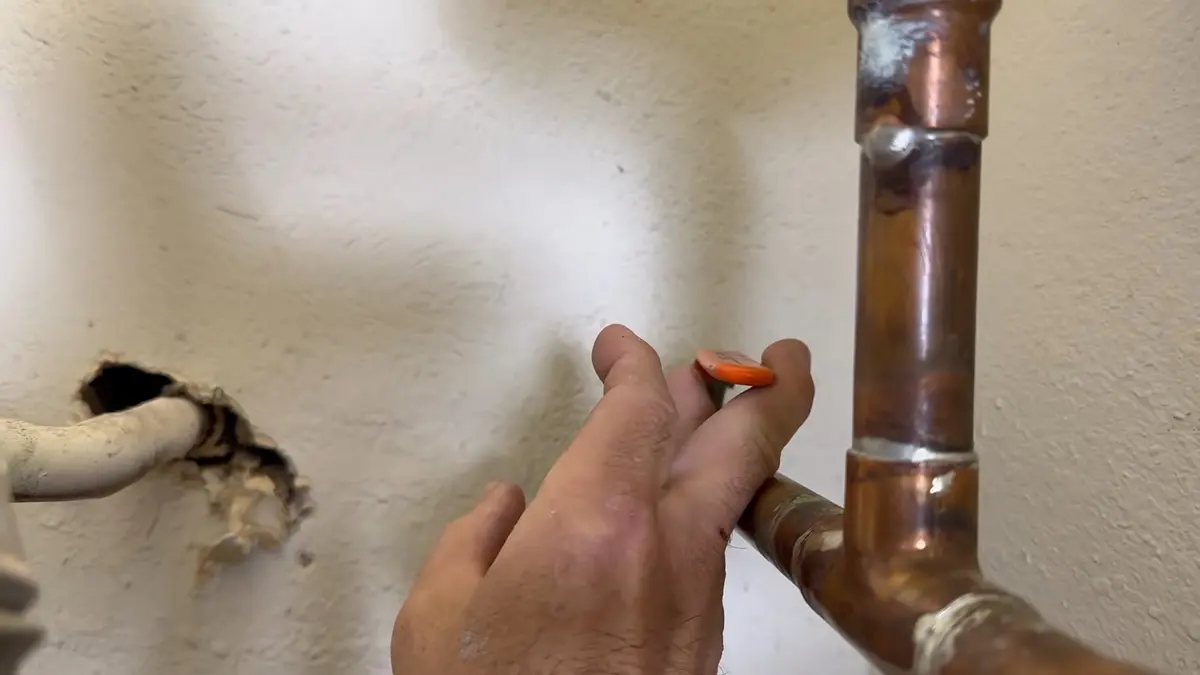
Water heater repair means fixing the parts that fail while the tank itself still has life left: the thermostat, heating element, pilot or igniter, gas control valve, anode rod, dip tube, and the temperature and pressure relief valve. Most no-hot-water and noisy-tank complaints come down to one of those, not the tank.
In Lebanon that matters because the basement utility corner of an older home often holds a tank fed by aging pipe. We see galvanized inlet and outlet fittings corroded down to a trickle, and we see sediment built up at the bottom of tanks. For homes on a private well out in the townships, harder water speeds that sediment along, while the city's softer surface water is gentler on a tank. Either way, the fix usually starts with finding which part actually failed.
Diagnosis
How we diagnose a water heater problem
The symptom points us to the part. We work it in order so you pay to fix the real fault, not to swap a tank that did not need replacing.
No hot water or not enough
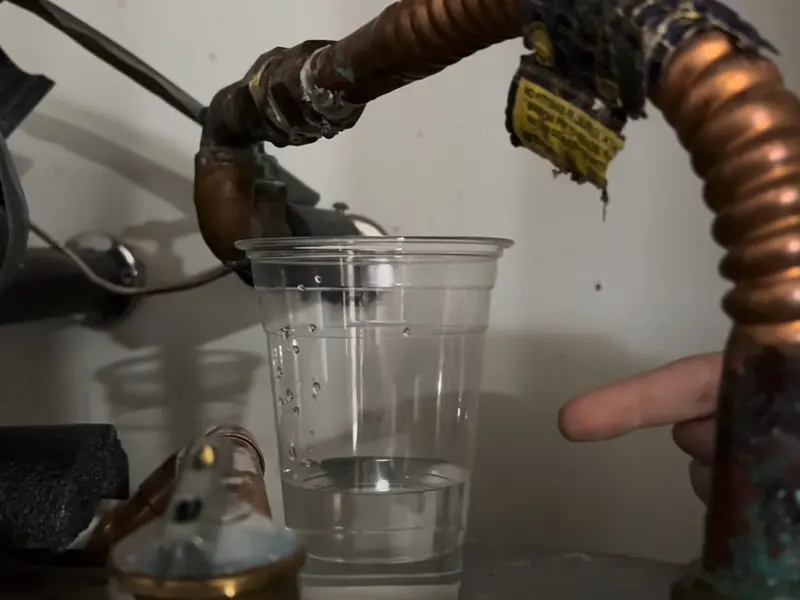
On a gas unit we check the pilot, thermocouple, and gas control valve. On electric we test the upper and lower elements and their thermostats. A tank that runs out fast can also be a broken dip tube letting cold water short-circuit to the top. Each has a clear test.
Leaks: where is it really coming from
A puddle does not always mean a dead tank. We trace it to the source: a loose or corroded fitting, a dripping relief valve, or a condensation line. Those are repairs. Water seeping from the tank body itself is the one that means replacement, and we will show you which it is.
Noises and sediment
A rumbling or popping tank is almost always sediment baked onto the bottom, boiling water trapped underneath. We confirm it and flush the tank, which quiets the noise and helps the heater run efficiently again.
The fix
Common water heater repairs
Most repairs are straightforward once the cause is clear. These are the ones we handle most in Lebanon homes.
Thermostats, elements, and pilots
Failed elements and thermostats on electric units and bad thermocouples, igniters, or gas valves on gas units are routine swaps that bring the hot water back, often the same day.
Anode rod and relief valve
A spent anode rod lets the tank rust from the inside, so replacing it on schedule extends a tank's life. A leaking or stuck temperature and pressure relief valve is both a repair and a safety item we do not skip.
Sediment flush, and knowing when to replace
Flushing sediment is good maintenance and a fix for noise and efficiency. When a tank is past roughly ten to twelve years, leaking from the body, or facing a repair that approaches the cost of a new unit, we tell you plainly that replacement is the better value.
Pricing
Cost of water heater repair in Lebanon, PA
Most common repairs land in a modest range. Swapping a thermostat, element, thermocouple, anode rod, or relief valve, or flushing a sediment-filled tank, typically runs from the low to mid hundreds of dollars depending on the part and the access. A gas control valve sits at the higher end of repair pricing.
For comparison, a full tank replacement generally starts well over a thousand dollars installed. That gap is exactly why we diagnose first — if a part fixes it, you keep your money in your pocket. We quote the repair up front and lay out the repair-versus-replace math so you can decide.
Related work and service areas
What we also handle, and where
If the tank turns out to be done, we handle water heater installation and replacement and can talk through a tankless conversion if endless hot water appeals to you. When the trouble is really the old gas or supply line feeding the heater, we take care of that too rather than bolting a new unit onto failing pipe.
Related services
Questions, answered
Frequently asked questions
Why do I suddenly have no hot water?
On a gas heater it is often a pilot that went out, a bad thermocouple, or a failing gas control valve. On an electric one it is usually a tripped or failed heating element or thermostat. Sometimes it is simply a tripped breaker. We test the likely culprits in order and fix the one that actually failed, frequently the same day.
My water heater is leaking. Can it be repaired?
It depends on where the water is coming from. A leak at a fitting, the drain valve, or the relief valve is a repair. Condensation can look like a leak and is not. Water coming from the tank body itself means the steel has corroded through, and that calls for replacement. We find the source before recommending anything.
What is the rumbling noise from my water heater?
That sound is sediment. Minerals settle to the bottom of the tank and harden, and water boiling underneath the layer pops and rumbles. Flushing the tank clears it, quiets the noise, and helps the heater run more efficiently. Homes on harder well water in the townships tend to build sediment faster than homes on city water.
How often should I flush my water heater?
Once a year is a good rule for most homes. If you are on a private well with harder water, or you have noticed rumbling, flushing more often pays off. Regular flushing keeps sediment from insulating the burner, which shortens tank life and drives up energy use. We can flush it during any service visit.
Should I repair or replace my water heater?
Age and the type of failure decide it. Under about ten years with a fixable part, repair almost always wins. Past ten to twelve years, leaking from the tank body, or facing a repair that nears the price of a new unit, replacement is the better value. We give you both numbers and the honest recommendation, then leave the choice to you.
Does Lebanon's water cause sediment buildup?
Some, but less than many assume for city customers. The City of Lebanon Authority's surface water is on the softer side, so city homes build sediment slowly. The bigger sediment driver here is private well water in the surrounding townships, which carries more minerals. Either way, an annual flush keeps the bottom of the tank clean.
Call now
No hot water in Lebanon?
Call and we will diagnose it fast, then fix it or give you honest replacement numbers. Same-day where we can.