Lebanon plumbing guide
Tank vs. Tankless Water Heaters: Which Is Right for Your Lebanon Home?
Tankless heaters get a lot of attention, but the right choice depends on your home. Here is an honest comparison for Lebanon houses.
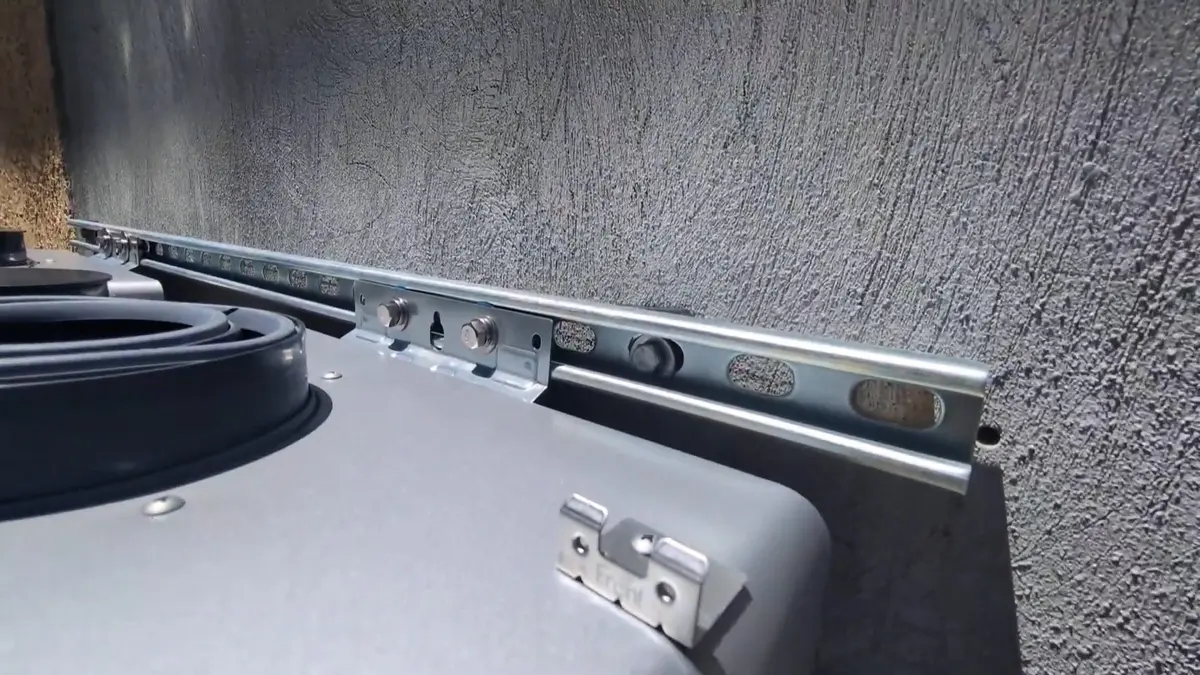
A water heater does one job: deliver hot water to your taps, shower, and appliances. There are two main ways to do it. A tank water heater keeps a reservoir of water, often 40 or 50 gallons, hot and ready around the clock. A tankless water heater keeps no reservoir and instead heats water on demand as it flows through, only when you call for it. Both work well in Lebanon homes, but they suit different households, budgets, and houses. This guide lays out how they compare so you can choose the one that actually fits your home rather than the one with the loudest marketing.
The basics
How each type works
A tank heater is the familiar cylinder in the basement. It fills with water, heats it to a set temperature, and holds it there so hot water is ready the instant you open a tap. The tradeoff is that it spends energy keeping that reservoir hot even when no one is using it, and once you drain the tank during a long shower or back-to-back baths, you wait for it to reheat.
A tankless heater, sometimes called on-demand, sits idle until you turn on a hot tap. Then water flows through a heat exchanger that fires up and heats it on the way to your faucet. It never runs out the way a tank can, and it does not spend energy holding a reservoir hot. The tradeoff is a higher purchase and installation cost, and a limit on how many hot fixtures it can feed at the same time based on its capacity.
Both have been around long enough now to be reliable, well-understood, and serviceable appliances. A tank is the technology most Lebanon homes already have, familiar and inexpensive to replace. Tankless is newer to many households but well proven, and it has grown steadily more popular as energy costs have risen and homeowners have looked for practical ways to trim standby waste. Neither is a gamble; the real question is simply which set of tradeoffs best fits your particular home and your hot water habits.
Side by side
Tank vs. tankless: how they compare
Here is the honest comparison on the factors that matter most for a Lebanon home.
| Factor | Tank | Tankless |
|---|---|---|
| Upfront cost | Lower to buy and install | Higher, especially if venting or gas must change |
| Typical lifespan | About 8-12 years | Often 15-20 years |
| Hot water supply | Limited to tank size, then waits to reheat | Endless, up to its flow capacity |
| Running multiple fixtures | Handles several until the tank drains | Limited by capacity; a large unit or two may be needed |
| Energy use | Spends energy keeping water hot at rest | Heats only on demand, often lower bills |
| Space | Takes floor space for the tank | Wall-mounted, frees up floor space |
| Install in an older home | Usually a straightforward swap | May need new venting, gas line, or electrical |
The short version: a tank costs less now and is simpler to install; a tankless costs more now but lasts longer, saves space, and never runs out. Neither is wrong. The right pick depends on your budget, your hot water habits, and what your home can accommodate.
Your house matters
Which fits an older Lebanon home
The house itself often decides as much as preference. A few Lebanon-specific points are worth weighing.
Installation in an older home is where tankless can get more involved. A gas tankless unit moves a lot more gas than a tank model and may need a larger gas line, and it requires its own venting, which an older row home may not already have routed conveniently. An electric tankless can demand significant electrical capacity. None of this is a dealbreaker, but it is why a tankless install in a century-old home sometimes costs more than the unit alone, and why an honest assessment of your home matters before you choose.
On the other hand, the full basements most Lebanon homes have make either install reasonable, with the heater accessible and the connections reachable. Space-wise, a wall-mounted tankless can free up basement floor area in a tight row home, which some owners value. If your hot water demand is modest and budget is the priority, a quality tank is a sound, proven choice that will serve the home well for its expected life. If you want long life, energy savings over time, and endless hot water, and your home can take the install, tankless rewards the higher upfront cost over the years that follow.
Your decision
Making the call
Choose a tank if you want the lower upfront cost, a simple like-for-like replacement, and your household's hot water needs are well met by a reservoir. Choose tankless if you want longer life, lower standby energy use, freed-up space, and endless hot water, and you are comfortable with the higher initial cost and any install upgrades your home needs.
We install and replace both, and we will give you a straight recommendation based on your actual home and habits rather than pushing the pricier option. We look at your gas line, venting, electrical, space, and how your household uses hot water, then lay out the real costs of each so you can decide with clear numbers. Whichever you choose, the basement access in most Lebanon homes keeps the installation straightforward.
It also helps to think a few years ahead. A tank you replace today will likely need replacing again in roughly a decade, while a tankless unit installed now may still be running long after a tank would have been swapped twice. If you plan to stay in the home a long time, that longer life and the lower running cost change the math in tankless's favor, even with the higher day-one price. If you may move soon, the lower upfront cost of a tank often wins. Your timeline is part of the decision, not just the specs.
Get help with this
Talk to a Lebanon plumber
If this is something you are dealing with right now, call and a licensed local plumber will help. We work throughout Lebanon and Lebanon County, every day and after hours.
Call now
Upfront pricing. Call-only, with 24/7 emergency service across the county.
☎ Call (717) 897-7332Questions, answered
Frequently asked questions
Is a tankless water heater worth it for an older Lebanon home?
It can be, but it depends on the home. Tankless units last longer, save standby energy, free up space, and never run out of hot water, which many owners value. The catch in an older home is installation: a gas tankless may need a larger gas line and new venting, which adds cost. If your home can accommodate it and you want the long-term benefits, it is often worth it. We assess your specific home before recommending either way.
How long does each type of water heater last?
A conventional tank water heater typically lasts about 8 to 12 years, while a tankless unit often runs 15 to 20 years with proper maintenance. The longer life is part of what offsets the tankless unit's higher upfront cost over time. Lifespan for either depends on water quality, usage, and upkeep, so regular maintenance helps you get the full service life out of whichever you choose.
Will a tankless heater run out of hot water?
Not in the way a tank does, since it heats continuously as water flows. It will not drain and leave you cold mid-shower. Its limit is flow capacity: running several hot fixtures at once can exceed what a single unit can heat at the desired temperature. For a larger household with simultaneous demand, a higher-capacity unit or a second one solves that. We size the unit to your home's peak demand so it keeps up.
Is a tank water heater a bad choice?
Not at all. A quality tank heater is a proven, reliable option that costs less upfront and is usually a simple replacement in an older home. If your hot water needs are well met by a reservoir and budget is the priority, a tank is a sound choice. Tankless offers longer life and energy savings, but that does not make a tank wrong, just different. We are glad to compare the real costs for your home.
Call now
Have a plumbing problem in Lebanon?
Call and talk to a licensed local plumber, available 24/7 for emergencies.