
Lebanon plumbing guide
Repair or Replace? A Homeowner's Guide to Water Heater Decisions
No hot water, a leaking tank, or a noisy heater? Here is a clear way to decide whether to repair your water heater or replace it.
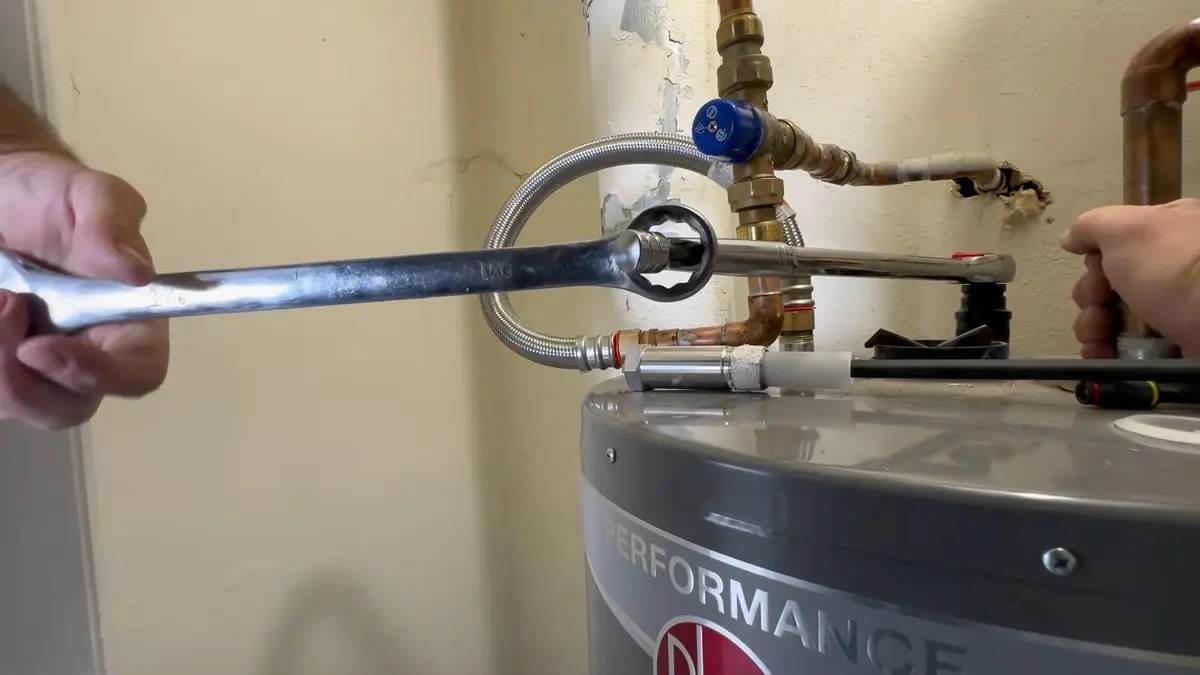
A water heater is the appliance that supplies hot water to your home, and like any appliance it eventually wears out or breaks down. When it does, you face a choice: pay to repair the existing unit, or replace it with a new one. The right answer depends on a handful of factors, mainly the heater's age, the nature of the problem, and how the repair cost compares to replacement. This guide gives you a clear way to weigh those so you are not guessing, and so you do not pour money into a unit that is on its last legs or replace one that had years of life left.
The basics
How long water heaters last
A standard tank water heater typically lasts about 8 to 12 years. A tankless unit can run 15 to 20. Those ranges matter because age is the single biggest factor in the repair-or-replace decision. A four-year-old heater with a bad part is usually worth repairing. A twelve-year-old heater with the same problem is usually not, because even a successful repair only buys time on a unit near the end of its life, and the next failure is likely close behind.
If you do not know your heater's age, look for the manufacture date on the label or decode it from the serial number, which often encodes the year. Knowing whether your unit is near the start, middle, or end of its expected life frames every other part of the decision.
Water quality plays into lifespan too. A heater fed by hard water, common on private wells in the townships, scales up faster and can wear out sooner than one on Lebanon's softer city water. If your unit lived its life on hard well water without a softener, treat the lower end of the expected range as more likely. That context helps you judge whether a given heater is aging normally or has been pushed hard.
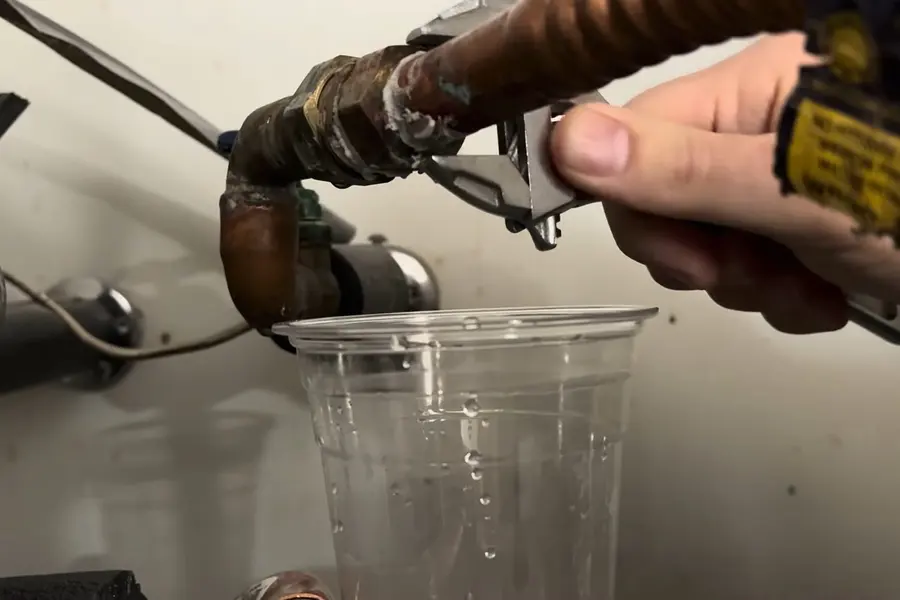
Decide it
A clear way to decide: repair or replace
Work through these in order. Together they point clearly toward one answer or the other in most cases.
Is the tank leaking?
If water is leaking from the tank body itself, not a fitting or valve, replace it. A leaking tank means the inner shell has corroded through, which cannot be repaired. This one overrides the others: a leaking tank is end of life regardless of age, and it will only get worse, risking a flooded basement.
How old is it?
Compare the unit's age to its expected life. Under about 8 years for a tank, repair usually makes sense. Past 10 to 12 years, lean toward replacement even for a fixable problem, since you would be investing in a unit already near retirement. The closer to the end of its range, the more replacement is the better value.
What does the repair cost versus a new unit?
A common rule of thumb: if the repair costs more than about half the price of a new heater, replacement is usually the smarter spend, especially on an older unit. A minor part on a newer heater is an easy repair. A major component on an aging one rarely is.
Is it the first problem or the latest?
One repair on an otherwise healthy heater is normal. Repeated problems, or several issues stacking up, signal a unit in decline. If you have already fixed it once or twice recently, the pattern itself argues for replacement over yet another repair.
Don't wait for failure
Signs it is time to act
Some heaters fail with warning, and catching the signs lets you replace on your schedule rather than during a cold-shower emergency. Watch for water pooling around the base, rusty or discolored hot water, rumbling or popping noises from sediment built up in the tank, hot water that runs out faster than it used to, or a unit simply past its expected age.
Acting on these early has a real advantage: a planned replacement is calmer and often cheaper than an emergency one, you can choose the unit that fits rather than whatever is available fastest, and you avoid the water damage a failed tank can cause to a finished basement. A heater that is twelve years old and starting to rumble is telling you something, and it is better to listen before it lets go. Most homeowners who wait until the tank fails outright end up wishing they had acted on the warning signs a few months earlier, when the choice was still theirs to make calmly.
What to expect
Getting it done in a Lebanon home
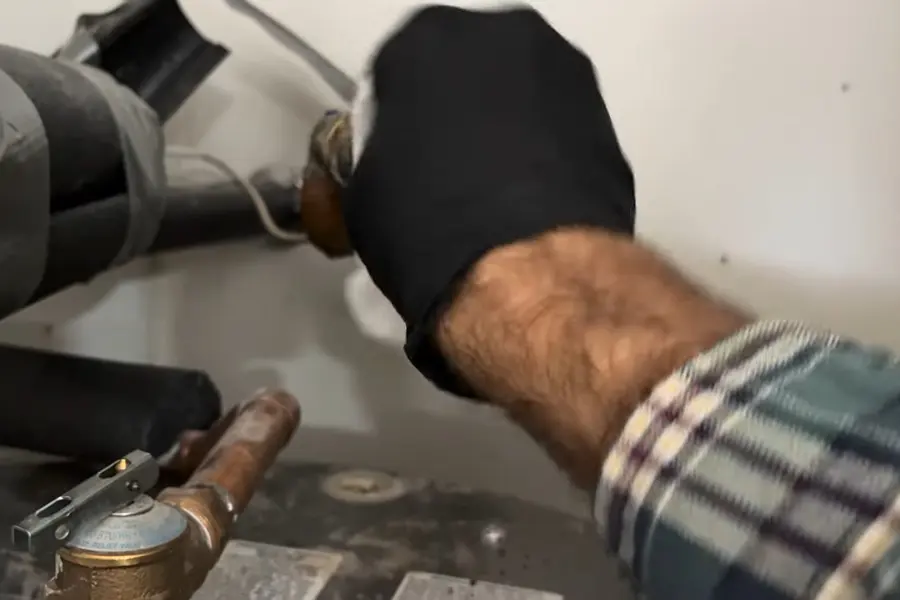
If repair is the right call, it is usually quick, whether it is a thermostat, a heating element, a thermocouple on a gas unit, or a valve. If replacement is the answer, swapping a tank for a like unit is generally a straightforward job, made easier by the full basements most Lebanon homes have, where the heater and its connections are accessible and there is room to work.
When we look at a water heater, we tell you plainly which way the decision points and why. We will not push a replacement on a young heater with a simple fix, and we will not patch a corroded twelve-year-old tank just to send you a bill before it fails again. You get the age, the problem, the repair cost, and the replacement cost laid out clearly, and you make the call with the full picture.
If the decision lands on replacement, it is also a natural moment to consider whether to stay with a tank or move to tankless, since the labor to remove the old unit is already part of the job. We can walk you through that choice at the same time, so a forced replacement at least becomes a chance to set your hot water up the way you actually want it for the next decade or two.
Get help with this
Talk to a Lebanon plumber
If this is something you are dealing with right now, call and a licensed local plumber will help. We work throughout Lebanon and Lebanon County, every day and after hours.
Related services
Call now
Upfront pricing. Call-only, with 24/7 emergency service across the county.
☎ Call (717) 897-7332Questions, answered
Frequently asked questions
Should I repair or replace a 10-year-old water heater?
At 10 years, a tank heater is near the end of its typical 8-to-12-year life, so replacement is often the better value, especially if the repair is significant or the tank is leaking. A small, inexpensive fix might still be worth it to buy a little time, but investing heavily in a unit this old rarely pays off, since the next failure is likely close behind. We will give you an honest comparison of the costs.
My water heater tank is leaking. Can it be repaired?
If the leak is from the tank body itself, no, it needs replacement. A leaking tank means the inner shell has corroded through, which cannot be fixed, and it will only worsen and risk flooding your basement. If the water is actually coming from a fitting, valve, or connection rather than the tank wall, that often can be repaired. We can quickly determine the source and tell you which situation you are in.
Why is my water heater making rumbling noises?
Usually sediment. Minerals settle to the bottom of the tank over the years and harden, and water trapped under that layer makes popping or rumbling sounds as it heats. It is a sign the heater is working harder and less efficiently, and on an older unit it often signals the tank is aging out. Flushing can help on a newer heater; on an old one, it may be a cue that replacement is near.
How do I know how old my water heater is?
Check the manufacturer's label on the tank for a date, or decode the serial number, which often encodes the year of manufacture in its first characters. Knowing the age is key to the repair-or-replace decision, since it frames whether a fix is a sound investment or just buying a little time on a unit near retirement. If you cannot work it out, we can identify it for you when we look at the unit.
Call now
Have a plumbing problem in Lebanon?
Call and talk to a licensed local plumber, available 24/7 for emergencies.