
Service in Lebanon & Lebanon County, PA
Leak Detection in Lebanon, PA
A leak you cannot see is still running up your bill and soaking your home. We locate hidden leaks behind walls, under floors, and underground to the exact spot, so the repair opens a small patch instead of half a room.
The basics
What leak detection covers
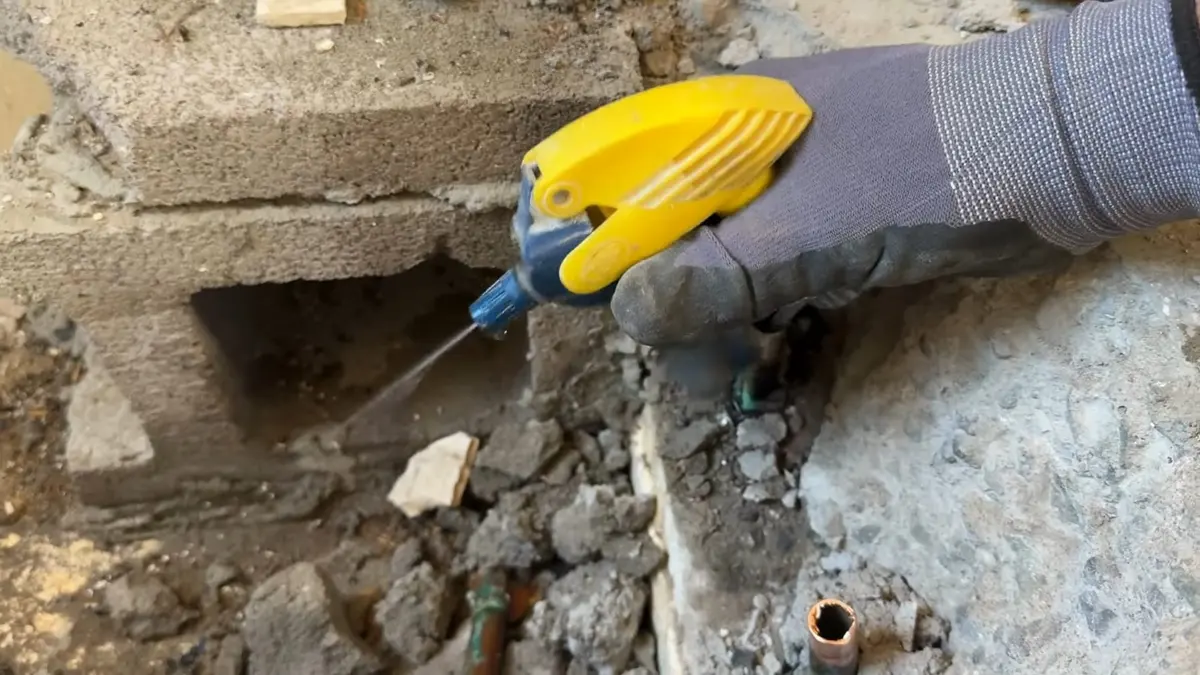
Leak detection is the work of finding a leak you cannot see before anyone starts cutting. That includes pinhole leaks in supply lines inside walls, leaks under a basement floor, a failing underground service line between the meter and the house, and the slow drips that rot a cabinet base or feed mold. The signs are familiar: a water bill that jumped for no reason, a damp spot or stain, the faint sound of water running with everything off, or pressure that has quietly dropped. The one that brings people to the phone fastest is a stain spreading on a ceiling below an upstairs bathroom. In a narrow Lebanon row home that second-floor bath sits directly over a living room or dining room, so a supply line or a tub drain that lets go has nowhere to travel but down through the plaster.
Older Lebanon homes leak in predictable ways. Galvanized supply lines develop pinholes as they corrode from the inside, and homes piped with copper in the 1960s and 70s can get pinhole leaks of their own from years of water chemistry. Finding the exact point of failure is what separates a tidy repair from tearing out drywall and flooring on a guess.
When the water bill is what tipped you off
A lot of calls start with the bill rather than any visible water. It creeps up over two or three cycles, or the authority flags a continuous-usage reading, and nothing inside the house looks wrong. That pattern is worth taking seriously, because a supply-side leak runs around the clock whether or not you ever see it. The check that settles it takes a minute: shut every fixture and appliance in the house, then watch the water meter. If the dial still creeps with everything off, water is escaping somewhere on your side of the meter, and locating it is the next step rather than waiting for the next bill to confirm what you already suspect.
Diagnosis
How we find a hidden leak
Most people call knowing something is wrong but not where, and that is the normal starting point rather than a problem. We use the tools that locate a leak without demolition, then confirm before opening anything.
Acoustic listening
Yes, we bring machines that hear water inside a wall or under concrete, which is the question most people actually ask when they call. Pressurized water escaping a pipe makes a distinct sound, even behind plaster or under a floor. Sensitive acoustic equipment lets us follow that sound to its source, narrowing a leak from a whole wall down to a few inches.
Thermal imaging
A leak changes the temperature of the surface around it. A thermal camera reveals the cool track of escaping water or the warm path of a hot line, showing where moisture is spreading behind a finished surface that looks dry.
Pressure and meter testing
By isolating sections and watching the water meter and system pressure, we can confirm a leak exists and narrow down which line it is on. The meter test is also how we tell a supply-side leak from a fixture quietly running.
The fix
What happens after we find it
Pinpointing the leak is the hard part. The fix follows quickly once we know exactly where it is.
Minimal-access repair
Because we have located the leak precisely, we open only what we have to. A small access cut beats the wide demolition that comes from chasing a leak blind, and it means less to patch afterward.
Repairing the leak
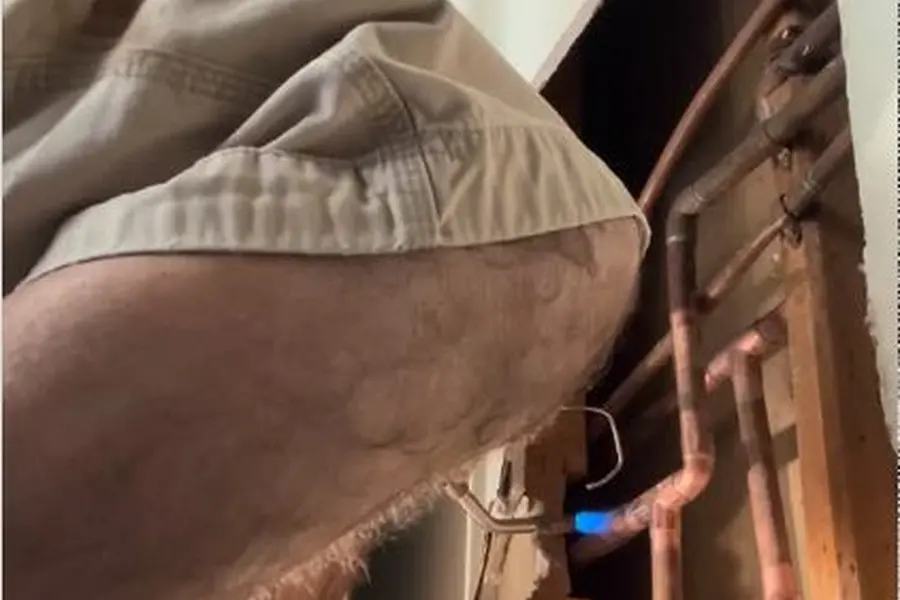
The fix depends on the cause: a new fitting, a replaced section of pipe, or a soldered repair. Where the leak is one of several pinholes in an aging galvanized or copper run, we will be honest that repiping that run is the smarter long-term move than patching pinhole after pinhole.
Verifying the repair
We pressure-test the line after the fix to confirm the leak is gone and no new one is hiding nearby. Then you can close the wall back up knowing it is truly dry.
Pricing
Cost of leak detection in Lebanon, PA
Leak detection carries its own fee for the time and equipment to locate the leak, and the repair is priced separately once we know what failed. That two-part structure almost always saves money, because pinpointing the leak avoids the far larger cost of opening walls and floors in the wrong place. Put simply, the detection fee buys certainty: you repair one known spot instead of opening wall after wall hunting for water, which is where the real money tends to disappear.
A simple fitting repair is modest. A pinholed galvanized run that really wants repiping costs more but ends the cycle of repeat leaks. We give you the detection result and the repair options plainly — the choice of patch versus repipe stays yours.
Related work and service areas
What we also handle, and where
When detection reveals a pipe that has burst outright, we move straight to burst pipe repair. When it turns up the third pinhole in a tired galvanized system, the honest fix is a whole-home repipe rather than another patch, and a leaking buried line points to water line repair and replacement.
Related services
Questions, answered
Frequently asked questions
How do I know if I have a hidden leak?
Watch for a water bill that climbed with no change in use, a damp spot or stain on a wall or ceiling, the sound of running water when everything is off, or a drop in pressure. A classic test: turn off every fixture and check the water meter. If it is still creeping, water is escaping somewhere, and we can find it.
Can you find a leak without tearing up my walls?
That is the whole point of leak detection. Acoustic listening and thermal imaging let us locate a leak behind plaster, under a floor, or below a slab without demolition. We pinpoint it first, then open only the small area we need to make the repair, instead of cutting blindly and hoping.
Why do older Lebanon pipes spring hidden leaks?
Material and age. Galvanized supply lines corrode from the inside and eventually develop pinholes, common in Lebanon's many pre-1960 homes. Copper installed in the 1960s and 70s can also pinhole over decades from water chemistry. Both leak in spots you cannot see until the damage shows, which is why detection matters here.
My water bill spiked. Is it definitely a leak?
Not always, but it is the first thing to rule out. A sudden jump with no change in habits often means water is escaping somewhere, sometimes a running toilet, sometimes a hidden pipe. The meter test points us in the right direction, and our equipment confirms whether it is a fixture or a concealed line.
Can you find an underground or service line leak?
Yes. A leak on the buried service line between the meter and the house shows up as a wet patch, a pressure loss, or a meter that keeps moving. We use acoustic and pressure methods to trace it without excavating the whole yard, then dig only where the leak actually is.
Is a small leak really urgent?
More than people expect. A slow leak does its damage quietly, soaking framing, feeding mold, and ruining finishes long before it is obvious. The water keeps running up your bill the whole time. Catching it early with detection turns a small repair into the end of the story rather than a major restoration later.
Can you just find the leak if I want to handle the repair myself?
Yes. Locating the leak is its own job, and plenty of people book it that way. We pinpoint the leak, mark it, and tell you plainly what failed and what the repair involves, and from there the work is yours to place with whoever you like. The detection fee is priced separately from any repair for exactly this reason, so you are never paying for work you did not ask for.
Call now
Suspect a hidden leak?
Call and we will find it to the inch before anyone opens a wall. Serving Lebanon and Lebanon County.