
Lebanon plumbing guide
Why Is My Water Pressure So Low? Galvanized Pipe in Older Lebanon Homes
Weak showers and slow-filling tubs in an older Lebanon home usually trace to one culprit. Here is how to pin down the cause yourself.
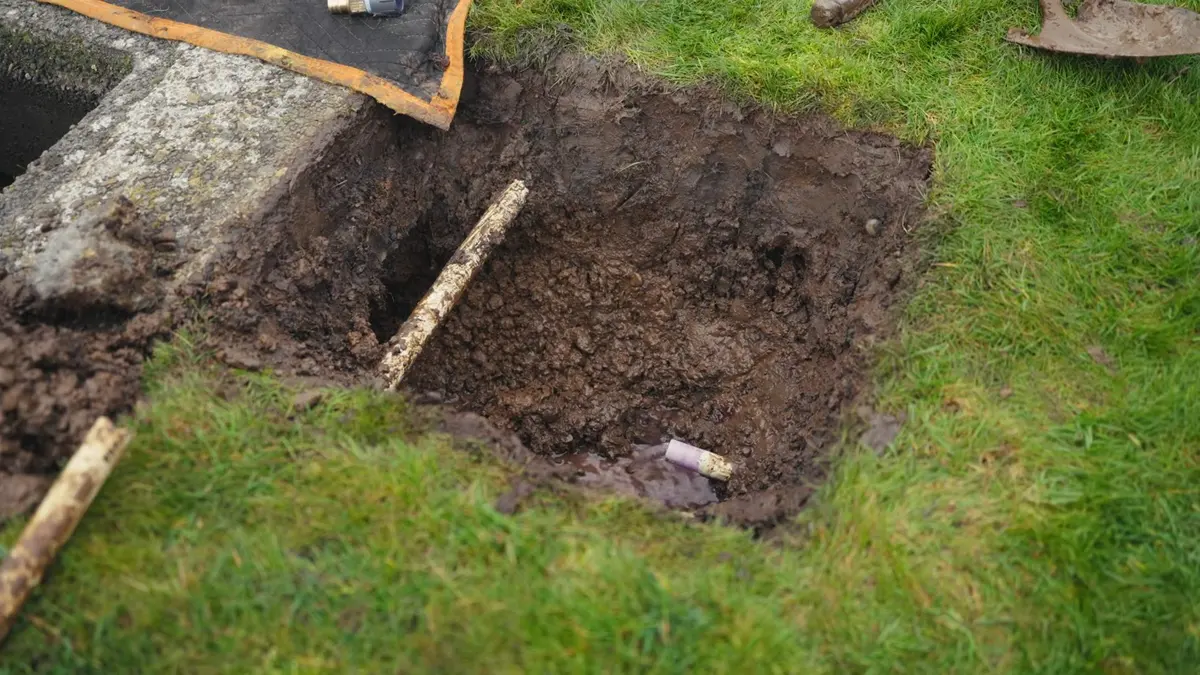
Water pressure is the force that pushes water through your pipes and out your fixtures. When it is low, showers feel weak, tubs take forever to fill, and running two fixtures at once turns both into a trickle. In an older Lebanon home, low pressure usually is not the city's fault: the City of Lebanon Authority delivers water to the street at a healthy pressure. The trouble is almost always inside the house, in aging supply pipe that has narrowed over the decades. This guide walks through how to figure out what is causing your low pressure, step by step, before you spend a dollar fixing it.
The usual cause
Why older Lebanon homes lose pressure
Most homes in Lebanon built before the 1960s were plumbed with galvanized steel supply pipe, a zinc-coated steel that was the standard of its day. Galvanized has one fatal flaw: it rusts from the inside. Over fifty, sixty, or seventy years, the inside of the pipe slowly closes with rust and mineral scale, like cholesterol narrowing an artery. A pipe that started with a three-quarter-inch opening can shrink to the width of a pencil.
Because the city water arrives at full pressure, the restriction is invisible until water has to move. Open one tap and it seems fine. Open two and both fade, because the choked pipe cannot supply both at once. This is the signature of galvanized at the end of its life, and it is extremely common in Lebanon's older row homes and ward neighborhoods. The good news is that the cause is knowable, and the fix is well understood.
It helps to picture what is happening inside the wall. Galvanized pipe is steel with a thin zinc coating meant to slow rust. The coating does its job for a while, but once it wears through, the bare steel underneath corrodes steadily, and the rust takes up more space than the metal it came from. That is why the opening keeps shrinking year after year. By the time you notice weak showers, the pipe has usually been closing for a long time.
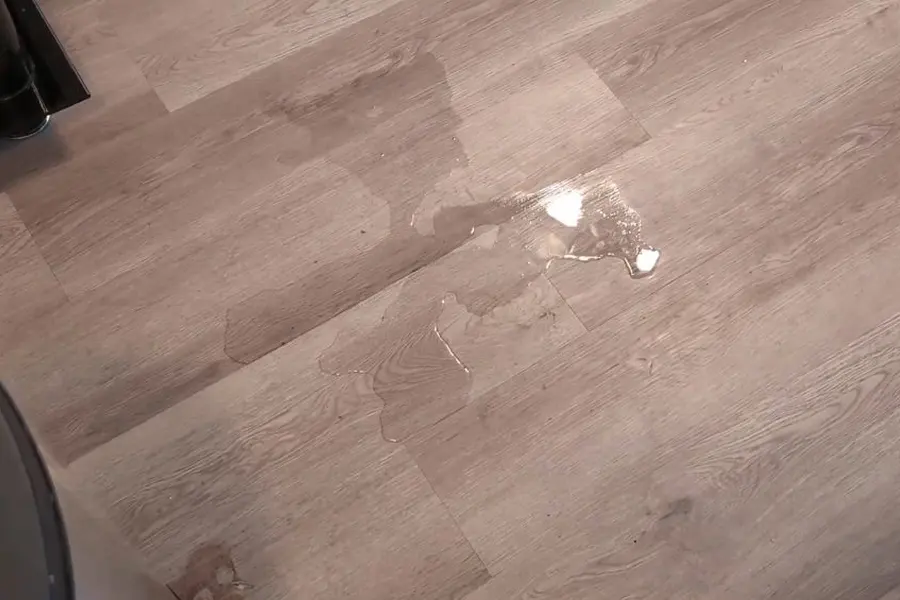
Diagnose it
A step-by-step way to find the cause
Before assuming the worst, work through these checks in order. They separate a small, cheap problem from a whole-house one, and they tell you and your plumber a lot.
Step 1: Whole house or one fixture?
Is the low pressure everywhere, or just at one faucet or shower? If it is one fixture, the problem is local: a clogged aerator, a bad cartridge, or a single corroded supply line. If it is the whole house, the cause is bigger and points toward the main supply, a pressure regulator, or galvanized pipe throughout.
Step 2: Hot, cold, or both?
If pressure is low only on the hot side, suspect the water heater and the lines around it, including sediment or a failing connection. If both hot and cold are weak everywhere, the supply feeding the whole house is the more likely culprit, which again points toward aging galvanized pipe or the main line.
Step 3: Check the easy stuff
Unscrew a faucet aerator and look for grit and scale, then clean or replace it. Check that your main shutoff valve is fully open, since a partly closed valve chokes the whole house. If your home has a pressure reducing valve where the main enters, a failing one can drop pressure across every fixture. These are the inexpensive causes worth ruling out first.
Step 4: Look at the pipe itself
Find an exposed supply pipe in the basement and identify the material. If it is galvanized steel, threaded and silvery-gray, and your home is older, it is the prime suspect. A plumber can also measure static pressure at a hose bib and watch how it drops under flow, which confirms whether the restriction is in your pipes rather than the city supply.
The real fix
When the answer is a repipe
If the checks point to galvanized pipe rusted shut throughout the house, cleaning aerators and swapping a valve will not bring back real pressure, because the restriction is inside the pipe walls. The lasting fix is a repipe: replacing the old galvanized supply lines with modern copper or PEX.
A repipe restores the full opening the system was designed for, so pressure returns, water runs clear instead of rusty, and the cycle of pinhole leaks that old galvanized eventually develops comes to an end. In Lebanon, the full basements most older homes have make this far easier than it sounds, since the main runs are reachable from below and a plumber can route new lines with minimal cutting into finished walls. That access keeps a repipe more affordable here than in slab-built homes.
It is real money, so it is worth doing for the right reason. If your pipe still has life and only an aerator was clogged, you should not be sold a repipe. But if low pressure, rusty water, and repeat leaks all point the same direction, replacing the pipe solves all three at once.
What to expect
Pinning it down before you spend
The point of working through the steps above is to avoid paying for the wrong fix. A clogged aerator costs nothing to clean. A failing pressure regulator is a modest repair. A whole-home repipe is a real project. Knowing which one you are facing protects your wallet.
When we look at a low-pressure complaint, we confirm the cause the same methodical way: check whether it is whole-house or local, hot or cold, then measure pressure and inspect the pipe before recommending anything. If it is a five-minute fix, we will tell you. If the galvanized is genuinely done, we will explain a repipe in plain terms with an honest estimate. Either way, you decide with the facts in front of you.
One more thing worth knowing: low pressure rarely improves on its own. Galvanized does not un-rust, so a home that is mildly annoying today tends to get worse, and the same corrosion that chokes flow eventually produces leaks. Catching it while it is still just a pressure complaint, rather than after a pipe has sprung a pinhole behind a wall, puts you in the better position. That is reason enough to diagnose it sooner rather than living with it.
Get help with this
Talk to a Lebanon plumber
If this is something you are dealing with right now, call and a licensed local plumber will help. We work throughout Lebanon and Lebanon County, every day and after hours.
Call now
Upfront pricing. Call-only, with 24/7 emergency service across the county.
☎ Call (717) 897-7332Questions, answered
Frequently asked questions
Why does my water pressure drop when I run two fixtures?
That is the classic sign of galvanized supply pipe rusted narrow inside. One fixture can draw enough through the restricted pipe to seem normal, but two cannot share the reduced flow, so both fade. The city delivers water at full pressure, so when running two taps starves both, the bottleneck is almost always your home's aging pipe rather than the supply. A repipe is the lasting fix.
Is low water pressure the city's fault?
Rarely, in an older home. The City of Lebanon Authority delivers water to the street at a healthy pressure. When the whole house runs weak, the restriction is almost always inside your own plumbing, most often galvanized pipe that has rusted narrow over the decades. A plumber can measure pressure where the main enters and confirm whether the loss is in your pipes rather than the supply.
Can low pressure be a cheap fix?
Sometimes, yes. If it is just one fixture, a clogged aerator or a worn cartridge may be all it is, which is inexpensive. A partly closed main valve or a failing pressure regulator are also modest fixes. Working through the checks in order rules these in or out first, so you only consider a larger job like a repipe if the simple causes do not explain it.
Will a repipe also fix my rusty water?
Usually, yes. Rusty or discolored water in an older home is typically the galvanized supply pipe corroding from the inside and shedding into the water, worst after the water has sat overnight. Since the same aging pipe causes both low pressure and rusty water, replacing it with copper or PEX during a repipe tends to solve both at once, along with ending the pinhole leaks old galvanized develops.
Call now
Have a plumbing problem in Lebanon?
Call and talk to a licensed local plumber, available 24/7 for emergencies.