
Lebanon plumbing guide
Hidden Water Leaks: How to Spot Them Before They Cost You
A slow hidden leak can run for months, rotting wood and feeding mold before you ever see water. Here is how to catch one early.
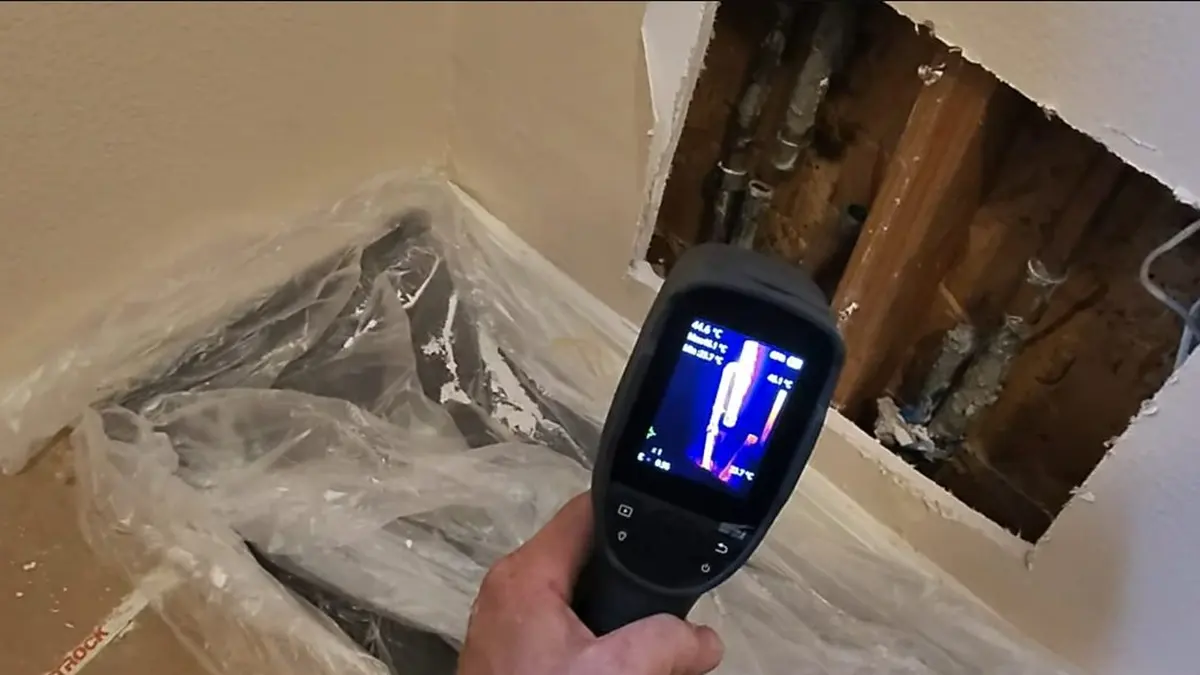
A hidden water leak is a leak inside a wall, under a floor, beneath a slab, or underground in the yard, where you cannot see the water escaping. Unlike a dripping faucet you notice right away, a hidden leak can run quietly for weeks or months, wasting water, driving up your bill, and slowly damaging the structure of your home before anything obvious appears. The damage, mold, and waste a hidden leak causes are largely a function of how long it runs undetected, which is why learning to spot the early signs is worth a homeowner's time. This guide shows you how to catch one before it becomes expensive.
Why it matters
Why hidden leaks are worth catching early
A hidden leak does its damage out of sight. Water escaping inside a wall or under a floor soaks framing, swells and warps wood, ruins insulation, and creates the constant dampness that mold needs to grow. Because none of this is visible at first, the leak often runs until a stain bleeds through a ceiling, a floor feels soft underfoot, or a musty smell takes hold, by which point the repair is far larger than the leak itself.
There is a cost angle too. Even a slow hidden leak runs around the clock, and it shows up on your water bill long before you find the source. In an older Lebanon home with aging supply pipe, hidden leaks are more likely than in new construction, since corroding galvanized and old fittings develop pinholes in places you never see. Catching a leak early turns a major repair into a minor one, which is the whole reason to know the signs.
Spot it
How to spot a hidden leak
You can detect most hidden leaks with simple checks and a little attention. Run through these, and if any point to a leak, it is time to track down the source.
The water meter test
This is the most reliable home check. Turn off every water fixture and appliance in the house, then look at your water meter. If it is still moving with everything off, water is escaping somewhere, which means a leak. For a slower confirmation, note the meter reading, avoid using any water for an hour or two, and check whether it has changed. Movement with everything off is strong evidence of a hidden leak.
A bill that jumped for no reason
An unexplained spike in your water bill, with no change in how much water your household used, is a classic sign of a hidden leak running continuously. Compare your usage to the same month last year. A meaningful jump that you cannot account for is worth investigating with the meter test above.
Stains, warping, and smells
Watch for water stains on ceilings or walls, paint that bubbles or peels, flooring that warps or feels soft, and the persistent musty smell of mold or mildew. These appear where hidden water has been collecting, and they often point to the general area of the leak even before you find the exact source.
Sounds and warm spots
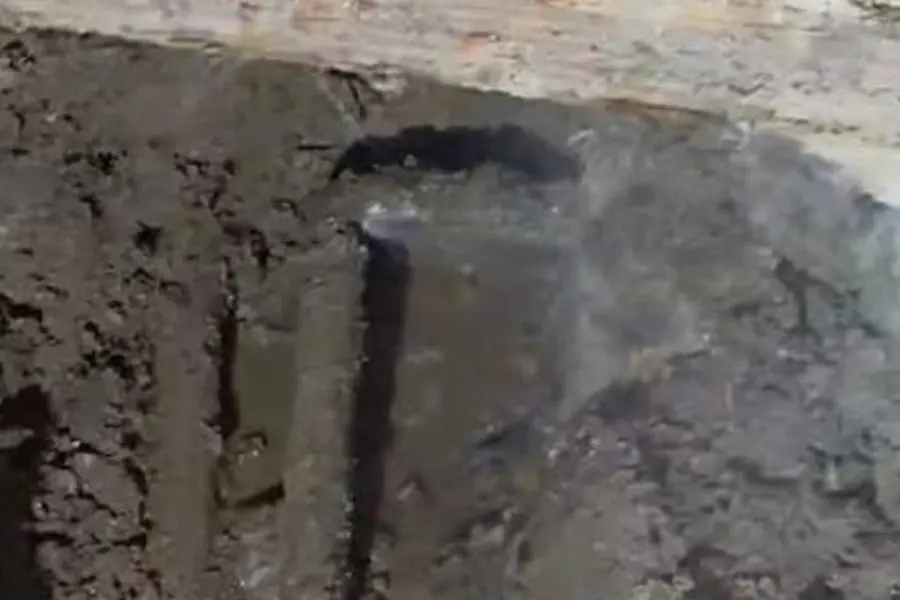
A faint hiss or trickle in a wall when no water is running can be a pressurized supply leak. For hot water lines, an unexplained warm spot on a floor can indicate a hot water leak beneath it. These subtler clues are easy to miss but worth noticing, especially alongside any of the signs above.
Where they hide
Common places leaks hide in older homes
In an older Lebanon home, hidden leaks tend to turn up in predictable places. Aging supply pipe inside walls is a frequent culprit, where old galvanized develops pinholes out of sight. Connections at fixtures, behind toilets, under sinks, and at the water heater can weep slowly where you do not look. Older homes with any plumbing under a slab or in a crawl space can hide leaks there for a long time.
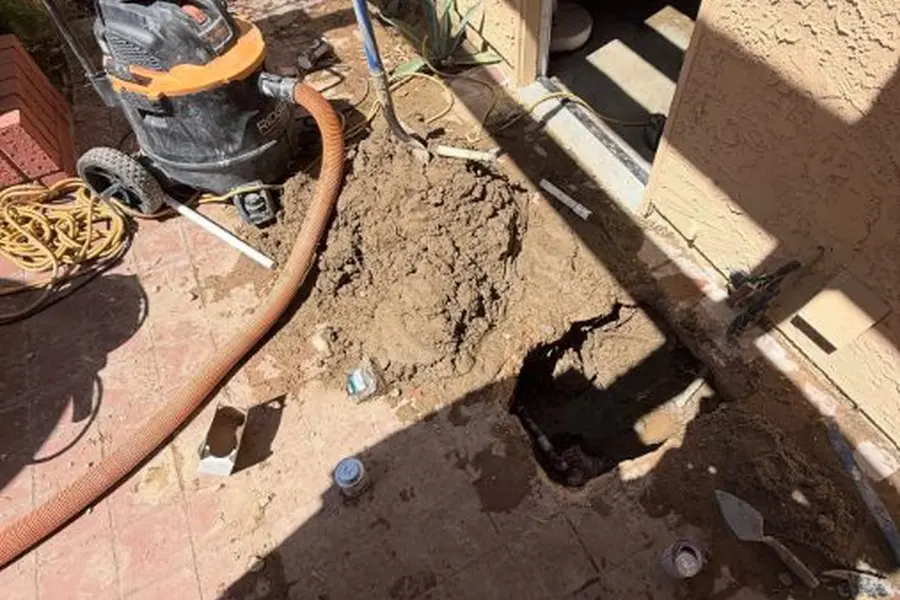
Outside, the underground water service line from the street can develop a leak in the yard, sometimes showing only as an unusually green or soggy patch of lawn. Because Lebanon's homes are older and many still carry decades-old pipe, these hiding spots are more active here than in newer housing, which is another reason the meter test and a watchful eye pay off.
It is worth knowing where your own home's risk is highest. If you have older galvanized supply, the walls are the place to watch. If your water heater is aging, the area around its base and connections deserves a periodic look. And if your lawn has a patch that stays green and soft when the rest is dry, the underground service line is the suspect. Knowing your home's weak points turns a vague worry into a short list you can actually keep an eye on.
The fix
What to do, and how pros find leaks
If your checks point to a hidden leak, the next step is locating it precisely without tearing the house apart, which is where professional leak detection comes in. Plumbers use electronic listening equipment that hears water escaping inside walls and under floors, along with other specialized tools, to pinpoint a leak's exact location. That precision means opening one small area to make the repair rather than guessing across a whole wall or floor.
The sooner a hidden leak is found and fixed, the smaller the repair. A pinhole caught early is a quick fix; the same leak left for months becomes rotted framing, ruined finishes, and mold remediation. If your meter is moving with the water off, your bill jumped without explanation, or you see stains, warping, or smell mold, it is worth calling. We locate hidden leaks precisely and repair them with the least disruption, and in older homes we will also tell you honestly if the leak is one symptom of pipe that is reaching the end of its life. A single early pinhole on otherwise sound pipe is a quick repair and nothing to worry about. A pinhole that is the third one this year is the pipe itself telling you something, and we would rather give you that honest read than patch the spot and leave you to discover the pattern on your own.
Get help with this
Talk to a Lebanon plumber
If this is something you are dealing with right now, call and a licensed local plumber will help. We work throughout Lebanon and Lebanon County, every day and after hours.
Related services
Call now
Upfront pricing. Call-only, with 24/7 emergency service across the county.
☎ Call (717) 897-7332Questions, answered
Frequently asked questions
How can I tell if I have a hidden water leak?
The most reliable home check is the water meter test: turn off every fixture and appliance, then watch the meter. If it keeps moving with all water off, you have a leak somewhere. Other signs include an unexplained jump in your water bill, stains on ceilings or walls, warped or soft flooring, a musty mold smell, or a faint hiss in a wall. Any of these is worth investigating before the damage grows.
How do plumbers find a leak inside a wall?
With specialized equipment, mainly electronic acoustic listening devices that detect the sound of water escaping inside walls and under floors, along with other tools to pinpoint the location. This lets a plumber find the exact spot and open just a small area to make the repair, rather than guessing and opening up a whole wall or floor. Precise detection saves both the leak damage and unnecessary demolition.
Why is my water bill suddenly high?
A sudden, unexplained jump in your water bill, with no change in your household's usage, is a classic sign of a hidden leak running continuously. Even a slow leak adds up around the clock. Compare your usage to the same month last year, then do the meter test: turn off all water and see if the meter still moves. If it does, a hidden leak is the likely cause, and finding it will stop both the waste and the rising bill.
Could a soggy patch in my yard be a leak?
Yes. An unusually green, soft, or soggy patch of lawn, especially when there has been no rain, can mean the underground water service line from the street is leaking. These yard leaks often go unnoticed because the water never appears indoors. If you also see the meter moving with everything off inside, an underground service line leak is a likely cause, and we can locate and repair it.
Call now
Have a plumbing problem in Lebanon?
Call and talk to a licensed local plumber, available 24/7 for emergencies.