
Lebanon plumbing guide
When a Pipe Bursts: What to Do in the First 10 Minutes
A burst pipe floods fast. What you do in the first ten minutes decides whether it is a repair or a renovation. Here is the plan.
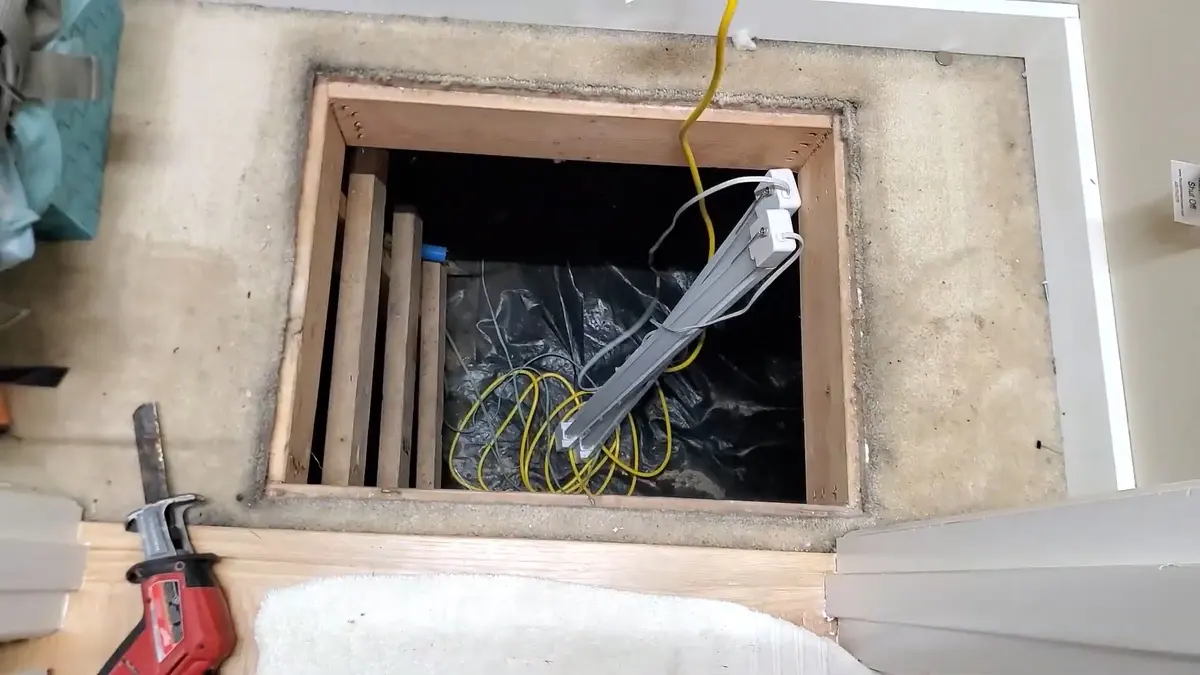
A burst pipe is a plumbing pipe that has split or ruptured, releasing water under pressure into your home. It can happen from a winter freeze, from old corroded pipe finally giving way, or from a failed fitting, and when it does, water can pour out by the gallon. The damage a burst pipe causes is mostly decided in the first few minutes, by how quickly the water is stopped. This guide is a clear, calm plan for those first ten minutes, so if it ever happens to you, you know exactly what to do instead of panicking while the water rises.
The plan
The first 10 minutes, step by step
Speed matters more than anything else here. Work through these steps in order. The whole point is to stop the water fast and limit how far the damage spreads.
Step 1: Shut off the main water valve
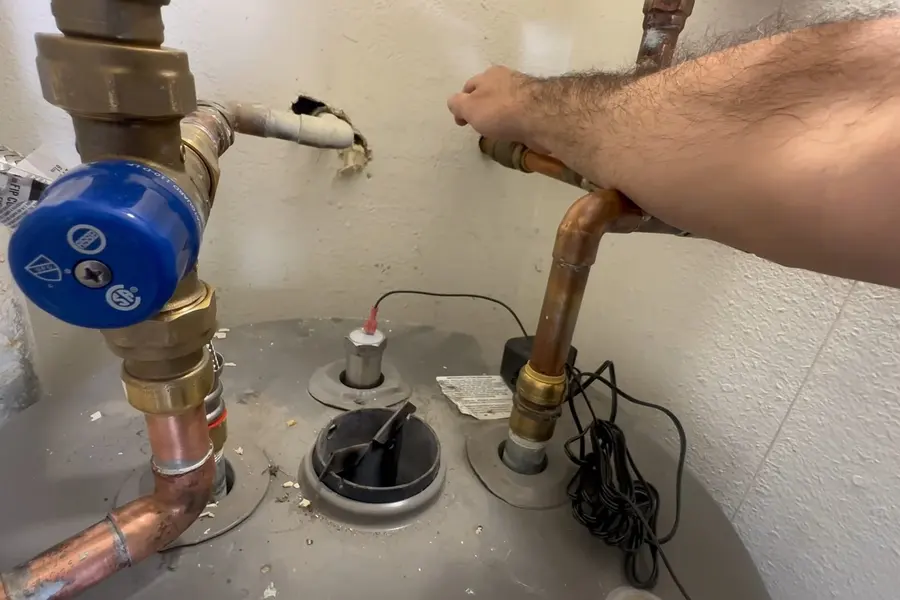
This is the single most important action. Go to your main water shutoff, usually in the basement where the service line enters from the street near the meter, and turn it fully closed. This stops all water to the house at once. If you do not know where your main valve is, find it today, before an emergency, because hunting for it while water pours out costs you the minutes that matter most.
Step 2: Cut the power if water is near electrical
If water is spreading near outlets, the electrical panel, or appliances, and you can reach the breaker box safely without standing in water, shut off power to the affected area. Safety comes before saving belongings. If you cannot reach the panel without entering standing water, stay back and call for help rather than risking a shock.
Step 3: Drain the lines
With the main off, open cold taps around the house and flush toilets to drain the water still in the pipes. This relieves pressure and clears the water that would otherwise keep leaking from the burst for a while. Open the lowest faucets first to pull water down and out of the system.
Step 4: Move what you can and document
Move furniture, boxes, and valuables away from the water, and lift anything off a wet floor. Then take photos and video of the damage for your insurance before you clean up, since a clear record helps a claim. Soak up what you can to limit spreading, but do not put yourself at risk doing it.
Step 5: Call a plumber
With the water off and the area as safe as you can make it, call for professional help. A burst pipe needs proper repair, and the sooner a plumber arrives, the sooner the water is back on safely. We handle burst pipe emergencies around the clock across Lebanon, and we will talk you through these steps on the phone if you are still stopping the water when you call.
Higher stakes
Why row homes make speed matter more
In much of Lebanon, homes share walls. A burst pipe in a row home is not only your problem; water travels, and a flood that starts in your basement or wall can reach the homes attached to yours. That raises the stakes on stopping the water fast, both to protect your own home and to avoid damaging a neighbor's.
It also means knowing your shutoffs cold. In a row home with shared infrastructure, the few seconds saved by knowing exactly where your main valve is can keep a manageable leak from becoming a multi-home incident. If you live in one of the city's row-home neighborhoods, locating and labeling your main shutoff is one of the most useful five-minute jobs you can do this week.
Why it happened
What causes pipes to burst
Knowing the common causes helps you understand your risk and prevent a repeat. In Lebanon homes, three causes dominate. Freezing is the seasonal one: water freezes in an exposed pipe, expands, and splits it, often showing up when it thaws. Corrosion is the slow one: old galvanized and other aging pipe rusts and thins until a weak point gives way, which is why repeat pinhole leaks in an older home are a warning. And pressure or failed fittings account for the rest, where a connection or a stressed section lets go.
The cause matters for the fix. A single freeze burst on otherwise sound pipe is a repair. Repeated bursts on old galvanized point to a system at the end of its life, where a repipe ends the cycle rather than patching the next leak. When we repair a burst, we tell you which situation you are in, so you are not surprised by another failure next month.
Next time
Preventing the next burst
Most bursts are preventable with a little attention. Insulate exposed pipes and protect against freezing in winter, the single most common cause here. Address repeat pinhole leaks in old galvanized rather than patching them one at a time, since they signal pipe at the end of its life. Know where your main shutoff is and keep it accessible. And if your home still runs on old galvanized supply that is leaking and losing pressure, consider a repipe before the next burst rather than after.
None of this guarantees a pipe will never fail, but it sharply reduces the odds and, just as importantly, leaves you ready to act fast if one ever does. The homeowners who handle a burst best are the ones who knew where the valve was and did not have to think about it. A few minutes of preparation now is worth a great deal during those first ten minutes later. Walk down to your basement this week, find the main shutoff, make sure it turns freely, and show everyone in the house where it is. That simple habit is the best insurance there is against a burst pipe turning into a flooded home.
Get help with this
Talk to a Lebanon plumber
If this is something you are dealing with right now, call and a licensed local plumber will help. We work throughout Lebanon and Lebanon County, every day and after hours.
Related services
In your area
Serving Cumberland Street Corridor and the rest of Lebanon County.
Cumberland Street Corridor plumber →Call now
Upfront pricing. Call-only, with 24/7 emergency service across the county.
☎ Call (717) 897-7332Questions, answered
Frequently asked questions
What is the first thing to do when a pipe bursts?
Shut off your main water valve. It is usually in the basement where the service line enters from the street, near the meter. Turning it fully closed stops all water to the house at once, which does more to limit damage than anything else. This is why knowing where your main shutoff is before an emergency matters so much, since hunting for it while water pours out wastes the minutes that count most.
Should I turn off the electricity if a pipe bursts?
If water is spreading near outlets, the electrical panel, or appliances, and you can reach the breaker box safely without standing in water, yes, shut off power to the affected area. Safety comes before protecting belongings. If you cannot reach the panel without entering standing water, do not risk it; stay back and call for help. Water and electricity together are dangerous, so when in doubt, keep clear and let a professional handle it.
Why is a burst pipe more serious in a row home?
Because row homes share walls, so water from a burst can travel into the homes attached to yours, not just your own. A flood that starts in your basement or wall can become a multi-home problem. That raises the stakes on stopping the water quickly and makes knowing your main shutoff location especially valuable. In Lebanon's row-home neighborhoods, fast action protects both your home and your neighbors'.
Why do pipes burst, and can I prevent it?
The main causes in Lebanon homes are freezing in winter, corrosion in old galvanized pipe, and failed fittings or pressure. Most are preventable: insulate exposed pipes against freezing, address repeat pinhole leaks in old pipe rather than patching them, know where your main shutoff is, and consider a repipe if aging galvanized is leaking and losing pressure. None of this is a guarantee, but it sharply lowers the risk and leaves you ready to act if one ever does burst.
Call now
Have a plumbing problem in Lebanon?
Call and talk to a licensed local plumber, available 24/7 for emergencies.