Lebanon plumbing guide
Do You Need a Water Softener in Lebanon County? City Water vs. Well Water
The answer surprises people: most Lebanon city homes do not need a softener, but many township well homes do. Here is why, and how to tell.
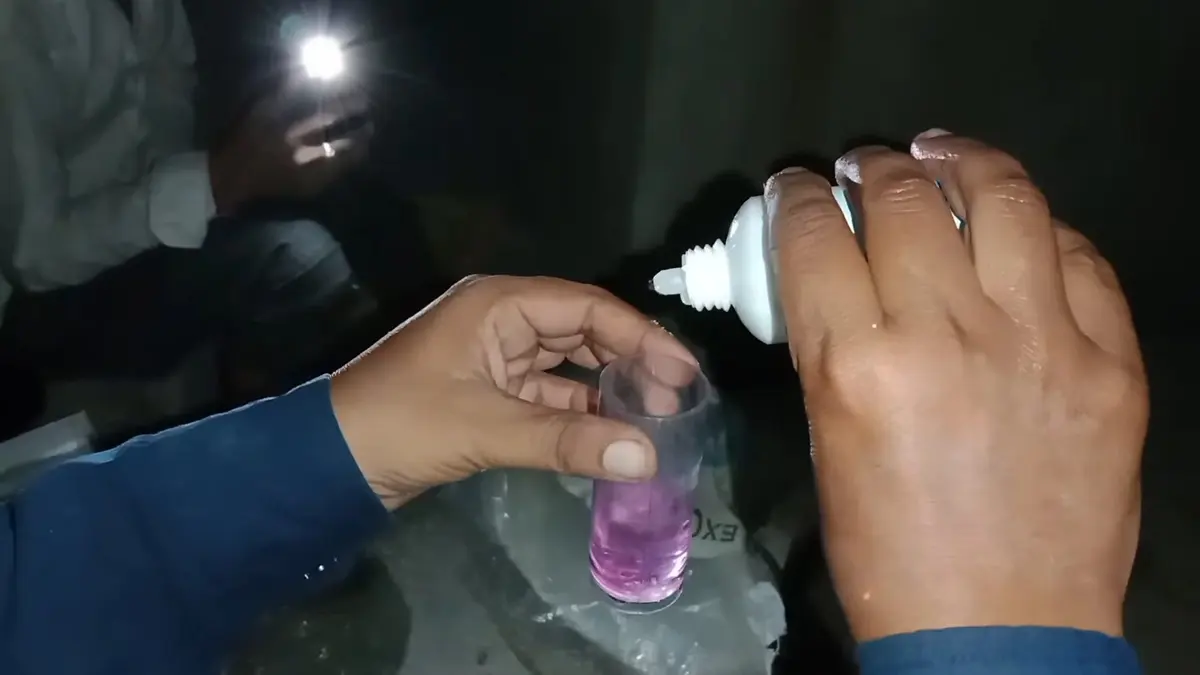
A water softener is a system that removes the minerals, mainly calcium and magnesium, that make water hard. Hard water leaves scale on fixtures, spots on glassware, and shortens the life of water heaters and appliances. Whether you need one in Lebanon County depends almost entirely on where your water comes from, and the answer surprises a lot of people. Many homeowners on city water assume their water is hard and buy a softener they do not need, while many on private wells in the townships have genuinely hard water and would benefit from one. Here is how to tell which situation you are in.
The city picture
Lebanon's city water is on the soft side
This is the part that surprises people. The City of Lebanon Authority draws its water from surface sources, the Swatara Creek and reservoir water in the hills north of the city, rather than from deep wells in limestone. Surface water like this tends to be moderately soft, and Lebanon's city water generally tests in that softer range. It is not the hard, scale-leaving water many residents assume they have.
What that means in practice: if you are on city water in Lebanon, you most likely do not need a water softener. Homeowners sometimes install one anyway, out of habit or assumption, and end up maintaining and buying salt for a system their water never called for. Before spending on a softener in the city, it is worth confirming you actually have a hardness problem, because usually you do not.
It is an easy assumption to get wrong. Plenty of people grew up with hard water elsewhere, or heard a neighbor complain, and assume Lebanon is the same. But the source of the water is what decides hardness, and the city's source simply does not produce the hard water that calls for treatment. A few minutes with a test strip, or a quick check by a plumber, will tell you far more than a general assumption ever could.
The township picture
Out in the townships, well water tells a different story
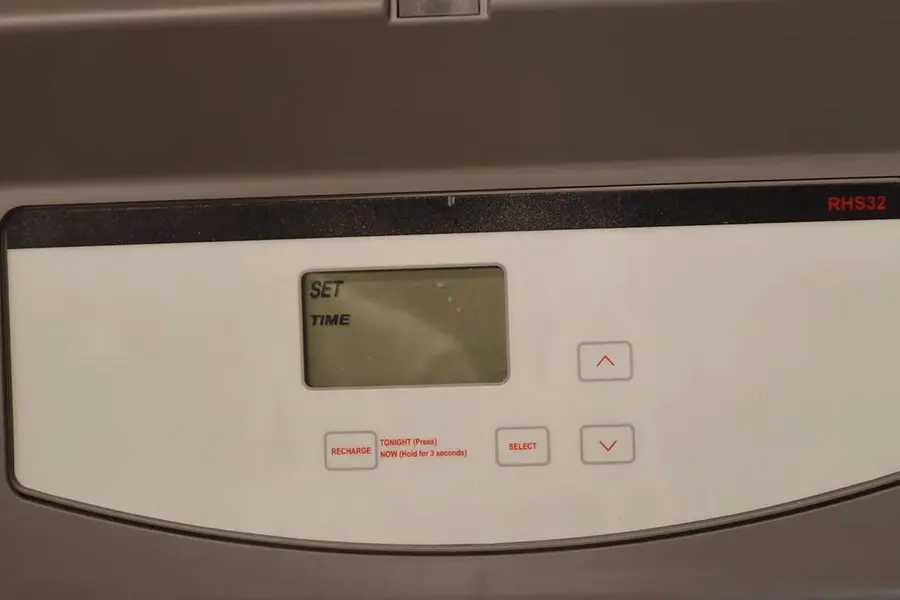
Leave the city and the picture flips. Across Lebanon County's townships, in places like Bethel, Heidelberg, and the rural areas around Fredericksburg and Schaefferstown, many homes are on private wells rather than city water. That well water is drawn from groundwater moving through the region's limestone, and limestone makes water hard. Calcium and magnesium dissolve into the water on its way up, and the result is the classic hard-water household.
If you are on a well and you see chalky white scale on faucets and shower heads, spotting on dishes, soap that will not lather, and a water heater that wears out faster than it should, you have hard water, and a softener is likely worth it. This is the genuine hard-water situation in Lebanon County, and it is a well-and-township story far more than a city one.
Hard water is not dangerous to drink, but it is hard on a household. The scale that builds inside a water heater makes it work harder and wear out sooner. It collects in fixtures and aerators, narrowing them over time. It leaves spots on everything washed in it and makes soap and detergent far less effective, so you use more of both. A softener addresses all of that at the source, which is why, for a well home with genuinely hard water, it usually pays for itself in protected appliances and easier housekeeping.
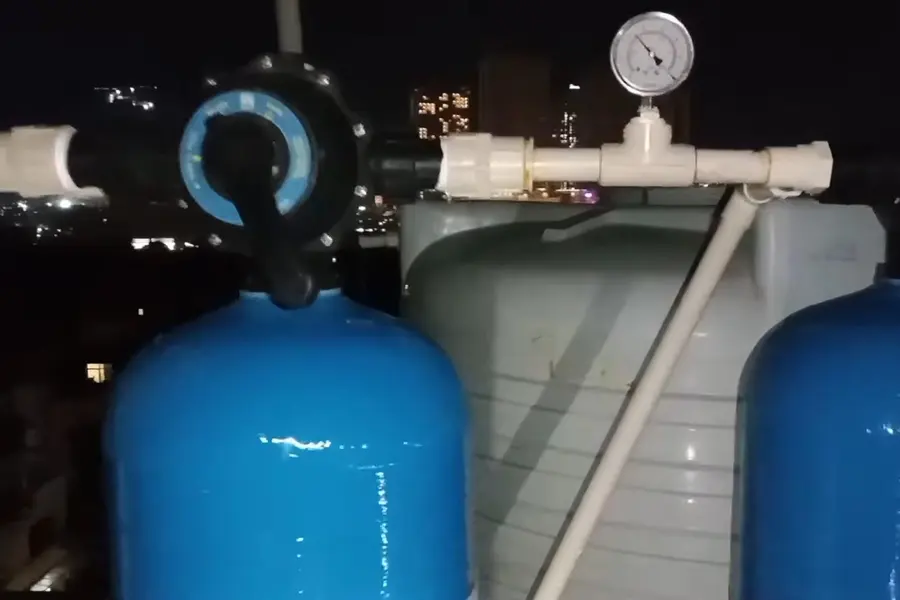
Wells also come with their own plumbing beyond hardness. A well home relies on a pressure tank and pump to deliver water, and those need occasional service, and some wells benefit from filtration for sediment or other concerns separate from hardness. Treating a well home well means looking at the whole system, not just dropping in a softener.
Side by side
City water vs. well water at a glance
Here is the difference laid out simply, so you can see where your home falls.
| Factor | City of Lebanon water | Township well water |
|---|---|---|
| Source | Surface water (creek and reservoir) | Groundwater through limestone |
| Typical hardness | On the soft side | Often hard |
| Scale on fixtures | Usually minimal | Common |
| Softener usually needed? | Usually no | Often yes |
| Other common need | Aging indoor pipe, not treatment | Softener, well pressure tank, sometimes filtration |
The short version: in Lebanon, hard water is mostly a private-well and township issue, not a city one. The first question is not "which softener," it is "is my water actually hard?" A simple test answers it.
Your decision
Do you actually need a softener?
Start by identifying your water source and testing the hardness, which is inexpensive and quick. From there the decision is straightforward.
If you are on city water and a test confirms it is soft, you almost certainly do not need a softener, and you can skip the purchase and the ongoing salt and maintenance. If you are on a well and the test shows hard water, plus you see scale and spotting, a properly sized softener will protect your fixtures, appliances, and water heater and is usually worth the investment. If you are somewhere in between, the test number guides the call rather than guesswork.
We approach it the honest way: we confirm your source, test the water, and tell you plainly whether a softener earns its keep for your household. We would rather tell a city homeowner they do not need one than sell a system their water never required. And out in the townships, where hard water is real, we size and install softeners that actually fit the household. Either way, you get a straight answer based on your water, not an assumption. The cost of a test is trivial next to the cost of buying, running, and maintaining a softener you did not need, or the cost of letting genuinely hard water quietly wear out a water heater years early. A few minutes of testing points you to the right decision, and that is where we always start.
Get help with this
Talk to a Lebanon plumber
If this is something you are dealing with right now, call and a licensed local plumber will help. We work throughout Lebanon and Lebanon County, every day and after hours.
Related services
Call now
Upfront pricing. Call-only, with 24/7 emergency service across the county.
☎ Call (717) 897-7332Questions, answered
Frequently asked questions
Is Lebanon city water hard or soft?
On the softer side. The City of Lebanon Authority draws surface water from the Swatara Creek and reservoir sources rather than deep limestone wells, and that surface water tends to be moderately soft. So most homes on city water do not have the hard-water scale and spotting many residents assume, and usually do not need a softener. A quick hardness test confirms it for your address.
Why is my well water hard if city water is soft?
Because they come from different places. City water is surface water from creeks and reservoirs, which is naturally softer. Private wells in the townships draw groundwater that has moved through limestone, which dissolves calcium and magnesium into the water and makes it hard. So two homes a few miles apart can have very different water, depending on whether they are on city supply or a well.
How do I know if I have hard water?
The signs are chalky white scale on faucets and shower heads, spots on glasses and dishes, soap and detergent that will not lather well, and a water heater that wears out faster than expected. The certain way to know is a hardness test, which is quick and inexpensive. If you are on a well and seeing those signs, a test will usually confirm hard water and help size the right softener.
Should I install a softener just in case?
Not without testing first. On city water, a softener is usually unnecessary, so installing one just in case means buying, maintaining, and adding salt to a system your water never needed. It is better to test your hardness, confirm whether you actually have a problem, and only install a softener if the numbers and the symptoms call for it. We are glad to test your water and give you a straight answer.
Call now
Have a plumbing problem in Lebanon?
Call and talk to a licensed local plumber, available 24/7 for emergencies.