
Lebanon plumbing guide
Trenchless vs. Traditional Sewer Replacement: Options for Lebanon Homes
Replacing a failed sewer line no longer always means digging up the yard. Here is how trenchless compares to traditional replacement.
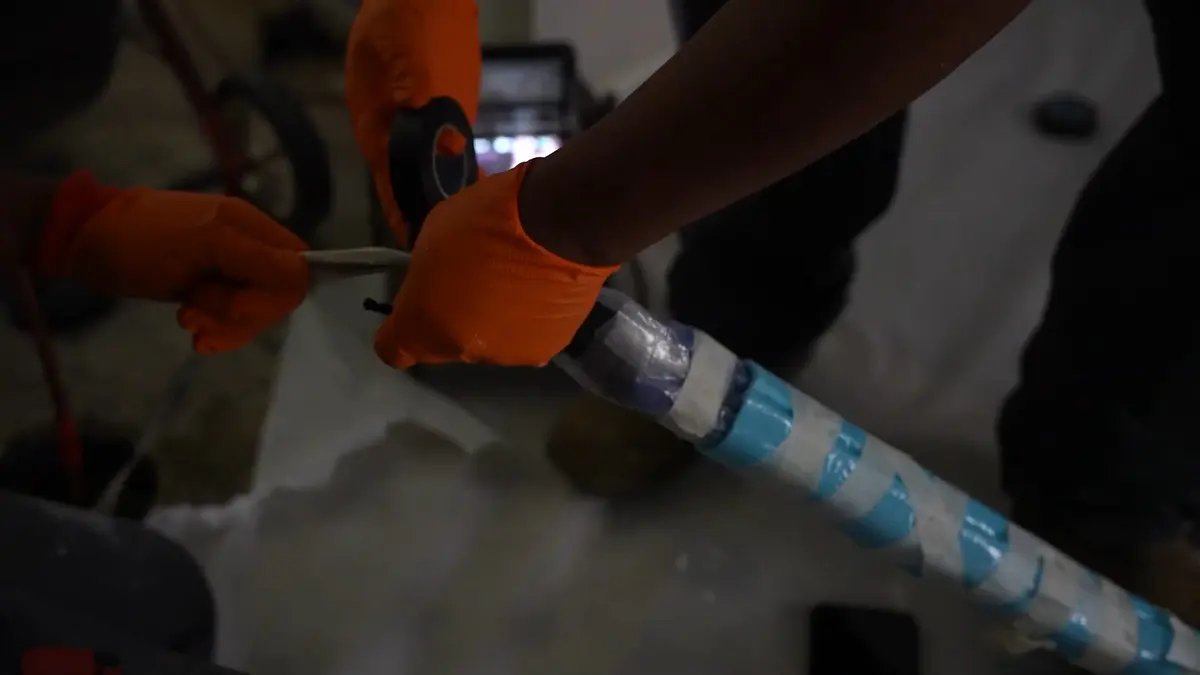
When a sewer lateral fails beyond repair, the line has to be replaced. There are two broad ways to do it. Traditional replacement digs a trench along the length of the pipe to remove the old line and lay a new one. Trenchless replacement renews the pipe with little or no digging, using methods that work through small access points instead of an open trench. Both result in a sound new sewer line, but they differ sharply in disruption, time, and cost. For a Lebanon homeowner facing a failed lateral, understanding the two helps you choose the approach that fits your property and budget.
The basics
When a sewer line needs replacing
Not every sewer problem needs a full replacement. A single clog is cleared. A localized crack can sometimes be spot-repaired. Replacement enters the picture when the line is failing along its length: an old clay lateral cracked in many places, a cast iron line corroded through, repeated root intrusion through joints that cannot be sealed one at a time, or a pipe that has sagged or collapsed. A camera inspection is what tells the difference, showing whether you are looking at a repair or a replacement.
Once replacement is the answer, the question becomes how. For a long time the only option was to dig. Today, trenchless methods offer an alternative that, for the right situation, spares your yard and shortens the job. Which is better depends on the specifics of your line and property.
It is worth saying that replacement is not a small decision, and a good plumber will not rush you toward it. Plenty of sewer problems that sound dire turn out to be a clog or a single repairable spot once a camera goes in. Replacement is the right answer only when the line is genuinely failing along its length, and confirming that with your own eyes on the camera screen is the right starting point before any method is chosen.

How they work
How trenchless and traditional differ
The methods take fundamentally different approaches to the same goal.
Traditional dig-and-replace
Traditional replacement opens a trench along the pipe's path, removes the old lateral, lays a new pipe, and backfills. It is the proven approach, works in any situation, and lets the plumber see and address everything directly. The cost is disruption: the trench may cross your yard, driveway, or sidewalk, and those surfaces must be restored afterward. It also takes longer and involves heavier equipment.
Trenchless methods
Trenchless replacement works through one or two small access points instead of a full trench. In pipe lining, a resin-coated liner is pulled or inverted into the old pipe and cured in place, forming a new pipe inside the old one. In pipe bursting, a new pipe is pulled through the old line while a head breaks the old pipe outward. Both renew the line with far less digging, sparing most of the yard, though they require the existing pipe to be a suitable candidate.
Side by side
Trenchless vs. traditional compared
The difference shows up most in your yard. Traditional replacement may leave a trench scar across grass, a cut in the driveway, or a disturbed sidewalk that has to be rebuilt, and that restoration is part of the real cost and timeline. Trenchless leaves the surface largely as it was, which is why homeowners with mature landscaping, a finished driveway, or hardscape they value often prefer it even at a higher base price. For a bare side yard with easy access, that advantage matters less.
Here is how the two approaches compare on what matters to a homeowner.
| Factor | Traditional | Trenchless |
|---|---|---|
| Digging | Open trench along the pipe | One or two small access points |
| Yard and surfaces | Disrupts yard, drive, walks; needs restoration | Largely undisturbed |
| Time on site | Longer, with heavier equipment | Often faster |
| Cost | Lower base cost, plus surface restoration | Higher base cost, less restoration |
| Where it works | Any situation, including collapsed pipe | Needs a suitable host pipe or path |
| Best when | Pipe is collapsed, or access is open anyway | Yard, drive, or landscaping is worth preserving |
The short version: trenchless spares your yard and is often faster but costs more upfront and needs the right conditions; traditional works in any situation and has a lower base cost but disrupts the surface and requires restoration. The line's condition and your property decide which makes sense.
Your decision
Which fits a Lebanon property
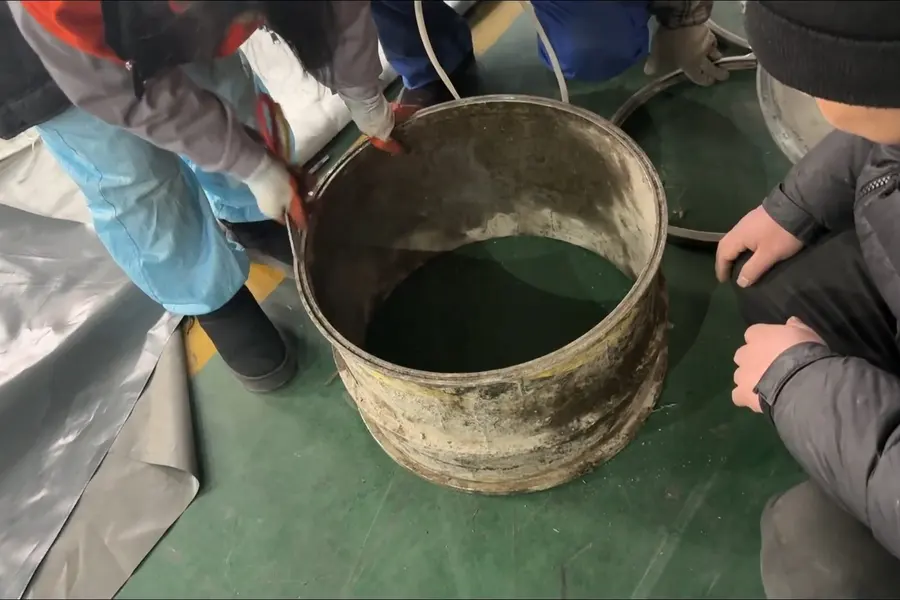
The right method depends on the specifics. Trenchless makes the most sense when you have a yard, driveway, mature landscaping, or hardscape worth preserving, and the existing pipe is a suitable candidate for lining or bursting. Traditional makes sense when the pipe has collapsed and there is no host pipe to work with, when access is already open, or when the lower base cost outweighs the surface restoration for your situation.
Two Lebanon realities shape the choice. Older laterals are often clay or cast iron, and a camera inspection determines whether they can host a trenchless solution or need open replacement. And because the City of Lebanon Authority owns the sewer main and requires permits for connecting work, any replacement near the main is coordinated with the Authority. We inspect the line first, tell you honestly whether trenchless is an option for your pipe, and lay out the real costs of each so you can choose. Either way, the goal is a sound new lateral that ends the problem for decades.
Whichever method fits, a properly installed new lateral is a long-term fix, not a patch. Modern replacement pipe does not rot like old clay tile or corrode like aging cast iron, and a clean, well-jointed line gives roots nothing to enter and gives debris a smooth path straight through to the main. That is the real payoff for the disruption and the cost: a sewer line you can stop thinking about for the long haul, rather than one you have to nurse along with yearly clearings and the occasional unwelcome backup in the basement.
Get help with this
Talk to a Lebanon plumber
If this is something you are dealing with right now, call and a licensed local plumber will help. We work throughout Lebanon and Lebanon County, every day and after hours.
Related services
Call now
Upfront pricing. Call-only, with 24/7 emergency service across the county.
☎ Call (717) 897-7332Questions, answered
Frequently asked questions
Is trenchless sewer replacement always possible?
No, it depends on the pipe and the situation. Trenchless lining and bursting need a suitable existing pipe or path to work through. A completely collapsed line with no host pipe, or certain layouts, may require traditional digging instead. A camera inspection determines whether your lateral is a candidate. When it is, trenchless spares your yard; when it is not, traditional replacement is the reliable route. We assess yours before recommending either.
Is trenchless more expensive than digging?
The base cost is usually higher, but the comparison is not that simple. Traditional digging adds the cost of restoring your yard, driveway, or sidewalk afterward, which can be substantial. Trenchless avoids most of that restoration, so for a property with valuable landscaping or hardscape, the total cost can be comparable or even favorable. We give you the real numbers for both so you can compare the full picture, not just the base price.
How long does sewer replacement take?
It varies with the method and the line. Trenchless replacement is often completed in a day or so, since there is little digging and restoration. Traditional replacement usually takes longer because of the trenching, the work itself, and restoring the disturbed surfaces afterward. The length and depth of your lateral and site conditions also matter. We give you a realistic timeline for your specific job once the line has been inspected.
Do I need a permit to replace my sewer line in Lebanon?
Work connecting to the public sewer does require coordination, since the City of Lebanon Authority owns the main and requires permits for connecting work. Replacing your lateral near that connection is handled through the Authority's permit process. We manage that coordination as part of the job, so the replacement is done to code and properly tied into the main. You do not have to navigate the permitting alone.
Call now
Have a plumbing problem in Lebanon?
Call and talk to a licensed local plumber, available 24/7 for emergencies.