Lebanon plumbing guide
Tree Roots and Old Sewer Laterals: A Lebanon Homeowner's Guide
Mature trees and aging clay laterals are a classic Lebanon combination. Here is how roots get into your sewer line, and what actually stops them.
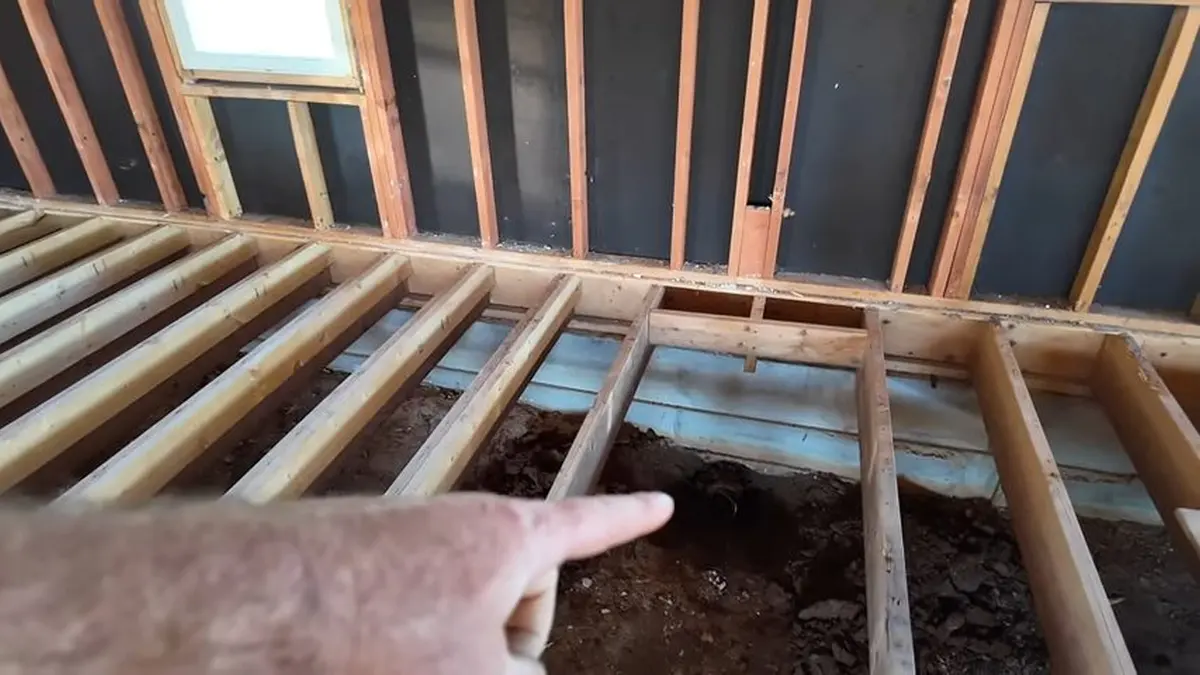
A sewer lateral is the private underground pipe that carries waste from your home out to the public sewer main in the street. In older Lebanon neighborhoods, that lateral is often aging clay or cast iron, and the streets are lined with mature trees. Put those two together and you get one of the most common sewer problems here: root intrusion. Tree roots seek water and nutrients, and a sewer lateral is full of both. Over time they work into the pipe through joints and cracks, grow into a mass, and snag everything trying to pass. This guide explains why it happens, how to spot it early, and what actually fixes it.
Why it happens
Why Lebanon laterals are vulnerable to roots
Two things make older Lebanon homes prime candidates for root intrusion. First, the pipe. Laterals installed decades ago were commonly made of clay tile or cast iron, jointed in sections. Clay joints and corroded cast iron develop gaps and cracks as they age, and each one is a doorway. Second, the trees. The established neighborhoods of the city are full of mature trees whose roots spread wide underground in search of moisture.
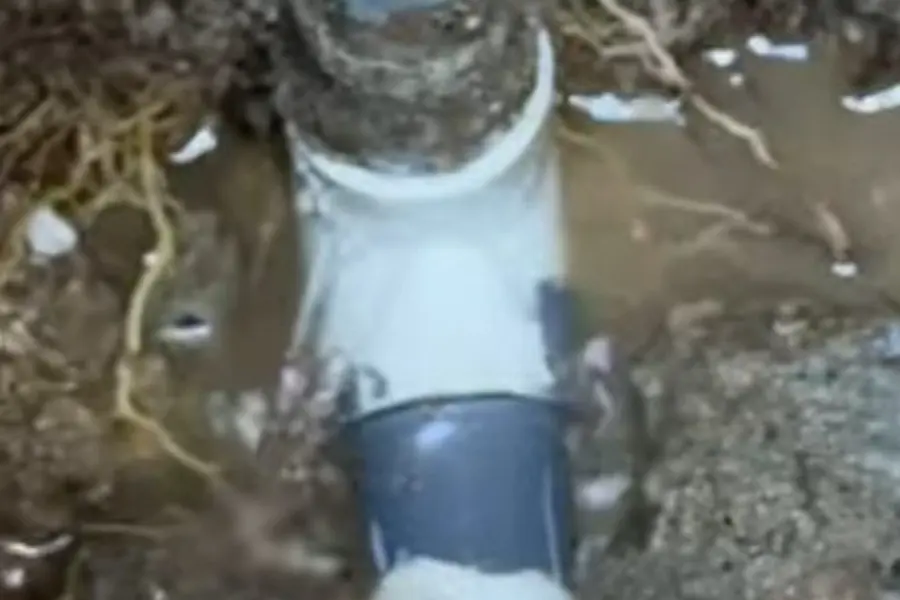
A sewer lateral leaks a little warmth, water, and nutrients, which is exactly what roots are hunting. A hairline gap at a clay joint is all it takes. A few fine roots slip in, thrive in the rich environment, and grow into a dense mass that catches grease, paper, and solids until the line backs up. None of this means your home was built badly; it is simply what happens when old pipe and old trees share the same ground. It is one of the most common sewer calls we get in Lebanon's older areas.
One thing worth clearing up: this is a sanitary sewer issue, the line carrying waste from your home, not a stormwater one. Lebanon runs a separate storm sewer system, so the lateral roots invade is the pipe that matters to your bathrooms and kitchen. That is the line a homeowner is responsible for keeping clear, and the one root intrusion threatens.
Catch it early
Warning signs of root intrusion
Root problems build gradually, and catching them early is far cheaper than dealing with a full backup. Watch for these signs, which point to trouble in the lateral rather than a simple indoor clog.
Multiple drains slow at once
A single slow sink is usually a local clog. When several fixtures slow together, or the lowest drains in the house gurgle and back up, the problem is more likely in the shared main line or the lateral, where roots commonly take hold.
Gurgling toilets and sewer odor
A toilet that gurgles when a tub drains, or a faint sewage smell around floor drains, suggests waste is struggling to move through a partially blocked line. Roots narrowing the lateral are a frequent cause.
Recurring backups
The clearest sign is a backup that keeps returning. You clear it, and weeks or months later it is back. That cycle almost always means something structural in the line, and in older Lebanon homes near mature trees, roots are the usual suspect. The interval between backups also tells a story: a line that backs up every few months has a worse intrusion than one that acts up once a year, and the trend usually worsens as the root mass grows. Tracking how often it happens helps gauge how urgent a permanent fix has become. If you find yourself calling about the same drain twice in one season, the line is telling you plainly that clearing alone is no longer enough, and it is time to look seriously at repairing or replacing the pipe itself.
The fix
How root intrusion is diagnosed and fixed
Fixing roots properly happens in steps, and skipping the diagnosis is how people end up paying repeatedly for a problem that keeps coming back.
First, a camera inspection
A sewer camera fed into the lateral shows exactly where the roots are, how bad the intrusion is, and the condition of the pipe around them. This turns guesswork into a clear picture, and it is the foundation of any lasting fix. Without it, you are treating symptoms blind.
Clearing the roots
Roots can be cut out mechanically or cleared with hydro jetting, which restores flow and buys relief. But on its own this is temporary: the roots grow back through the same gaps, often within a year or two, because the opening that let them in is still there. Clearing is the first step, not the cure.
The lasting fix: repair or replace
To stop roots for good, the damaged section of lateral has to be sealed or replaced so there is no longer a doorway. Depending on the pipe's condition, that may mean repairing a section, relining it, or replacing the lateral. This is what turns a recurring headache into a solved problem.
Your decision
Repair, replace, or keep clearing?
The honest decision comes down to the condition of the pipe and how often you are dealing with backups. If a camera shows a single damaged joint in an otherwise sound lateral, a spot repair may solve it. If the lateral is old clay throughout, cracked in several places, and you are clearing roots every year, replacing or relining the line is usually the better long-term value, since you stop paying for repeat clearings that never address the cause.
Worth knowing in Lebanon: the City of Lebanon Authority owns the sewer main in the street and requires permits for work connecting to it, so lateral work near the connection is coordinated with the Authority. We start every root problem with a camera inspection so you can see what we see, then lay out your options plainly, whether that is a one-time clearing, a section repair, or a full replacement. You decide with the actual condition of your pipe in front of you, not a guess.
Get help with this
Talk to a Lebanon plumber
If this is something you are dealing with right now, call and a licensed local plumber will help. We work throughout Lebanon and Lebanon County, every day and after hours.
Related services
Call now
Upfront pricing. Call-only, with 24/7 emergency service across the county.
☎ Call (717) 897-7332Questions, answered
Frequently asked questions
How do tree roots get into a sewer line?
Roots seek water and nutrients, and a sewer lateral leaks small amounts of both. Older clay and cast iron laterals develop gaps at joints and cracks as they age, and roots work in through those openings. Once inside, they thrive in the rich environment and grow into a mass that catches debris and blocks flow. Mature trees over aging pipe, common in older Lebanon neighborhoods, are the classic setup for this.
Will cutting the roots fix the problem permanently?
No, on its own it is temporary. Cutting or jetting roots restores flow and gives relief, but the roots grow back through the same gaps, often within a year or two, because the opening that let them in remains. A lasting fix means sealing or replacing the damaged section so there is no longer a doorway. Clearing is the first step; repairing or replacing the pipe is what actually solves it.
Do I need a camera inspection for a sewer problem?
For a recurring or whole-house sewer issue, it is the most useful first step. A camera shows exactly where the problem is, what is causing it, and the condition of the pipe, so any repair is based on evidence rather than guesswork. It prevents paying repeatedly to clear a line without addressing the real cause. For a simple one-off clog, a camera may not be needed, but for roots and backups it is well worth it.
Is the sewer lateral my responsibility or the city's?
The City of Lebanon Authority owns the sewer main in the street and requires permits for work connecting to it. The lateral running from your home to that main is generally the homeowner's responsibility. So root intrusion in your lateral is your line to repair, coordinated with the Authority's permit process for work near the connection. We handle that coordination as part of lateral repair or replacement so the job is done properly.
Call now
Have a plumbing problem in Lebanon?
Call and talk to a licensed local plumber, available 24/7 for emergencies.