
Lebanon plumbing guide
Keeping Your Basement Dry Near the Quittapahilla: Sump Pumps in Lebanon
Low-lying homes near the Quittapahilla take on basement water when the creek runs high. A sump pump is the defense. Here is how to get it right.
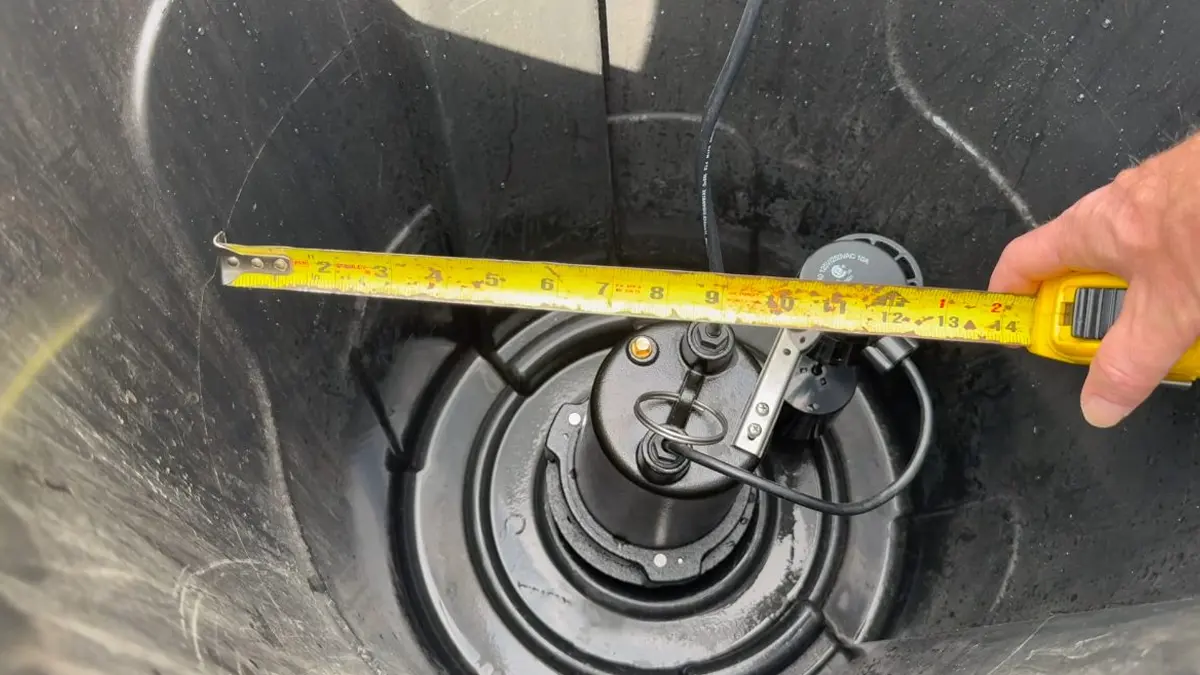
A sump pump is a pump that sits in a pit at the lowest point of your basement and automatically pumps out water that collects there, sending it away from the house before it can flood the floor. For homes on the low ground near the Quittapahilla Creek, which winds through Lebanon, a working sump pump is often the line between a dry basement and a wet one. When heavy rain or spring snowmelt swells the creek and raises the groundwater, the basements nearest it feel it first. This guide explains why those homes flood, how a sump pump protects them, and how to choose and maintain one that will hold when you need it.
The local cause
Why the Quittapahilla corridor floods
The Quittapahilla Creek runs through Lebanon, crossing beneath the main roads and shaping the lower ground around it. The homes along that corridor sit closest to the water table, and when the creek rises, so does the groundwater pressing against and under nearby foundations. That pressure pushes water through small cracks, up through floor drains, and into basements that stay dry the rest of the year.
This is not a sign of a bad house. It is geography. A home a few streets up on higher ground may never see basement water, while one on the low ground near the creek deals with it every wet season. The Lebanon Valley has watched the Quittapahilla come up more than once, and for the homes in its path, managing basement water is simply part of ownership. A sump pump is the standard, effective tool for doing exactly that.
How it works
How a sump pump protects your basement
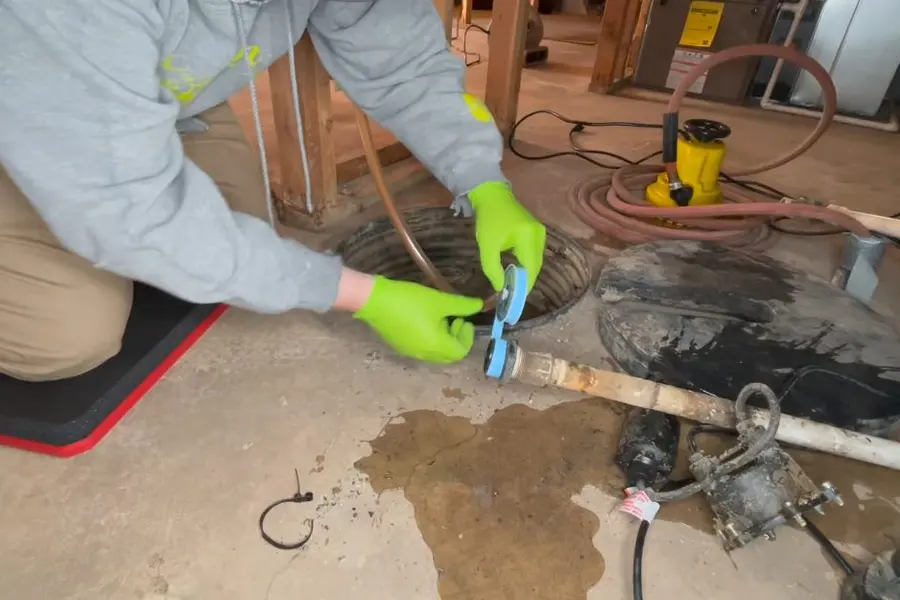
A sump pump system is simple and effective. A pit, called the sump basin, is set into the lowest point of the basement floor. Groundwater that would otherwise flood the basement collects in this pit instead. When the water reaches a set level, a float switch turns the pump on, and it pushes the water up and out through a discharge pipe that carries it well away from the foundation, where it cannot simply seep back in.
When it is working, you barely notice it. The pump kicks on during wet weather, moves the water out, and shuts off, keeping the basement dry without anyone lifting a finger. The trouble comes when a pump is undersized, worn out, or loses power in the very storm that needs it most. Getting the setup right is what turns a sump pump from a hopeful gadget into reliable protection.
It is worth understanding that a sump pump manages groundwater rather than stopping it. Along the Quittapahilla, the water table simply rises during wet weather, and no foundation is perfectly sealed against that. Rather than fight the water at every crack, a sump system gives it a low place to collect and a fast way out, so it never builds up to the level where it floods the floor. Paired with good drainage and a clear discharge, that is a dependable defense for a low-lying home.
The discharge matters too
A pump is only as good as where it sends the water. The discharge line must carry water far enough from the house that it does not run straight back to the foundation and into the pit again. We route discharge properly so the pump is not fighting the same water over and over.
Choose right
Choosing the right sump pump
Not every sump pump suits every basement. A few choices determine whether yours actually holds during a storm.
Submersible vs. pedestal
A submersible pump sits down in the pit underwater and runs quietly, handles more water, and stays out of the way, which suits most homes that see real flooding. A pedestal pump stands with its motor above the pit, costs less, and is easier to service but is louder and generally moves less water. For a flood-prone Quittapahilla home, a submersible is usually the better fit.
Sizing for your water
A pump must move water faster than it comes in. A basement that takes on a lot during storms needs more capacity than one with a minor seep. We size the pump to how much water your basement actually deals with, because an undersized pump that cannot keep up is little better than none when the creek is high.
A battery backup is not optional here
The worst flooding often arrives during storms that also knock out the power, exactly when a standard pump stops. A battery backup keeps the pump running through an outage and can be the difference between a dry basement and a flooded one. Along the Quittapahilla, where the heavy water and the power loss tend to come together, a backup is essential rather than a luxury.
Keep it ready
Maintenance and what to do
A sump pump only helps if it works on the day it is tested by a storm, so a little upkeep matters. Check it before each wet season by pouring water into the pit to confirm the float rises and the pump kicks on and clears the water. Keep the pit free of debris that could jam the float or clog the intake, make sure the discharge line is clear and routed away from the house, and confirm the backup battery holds a charge. A pump that has sat unused for a year can seize, so a seasonal test is cheap insurance.
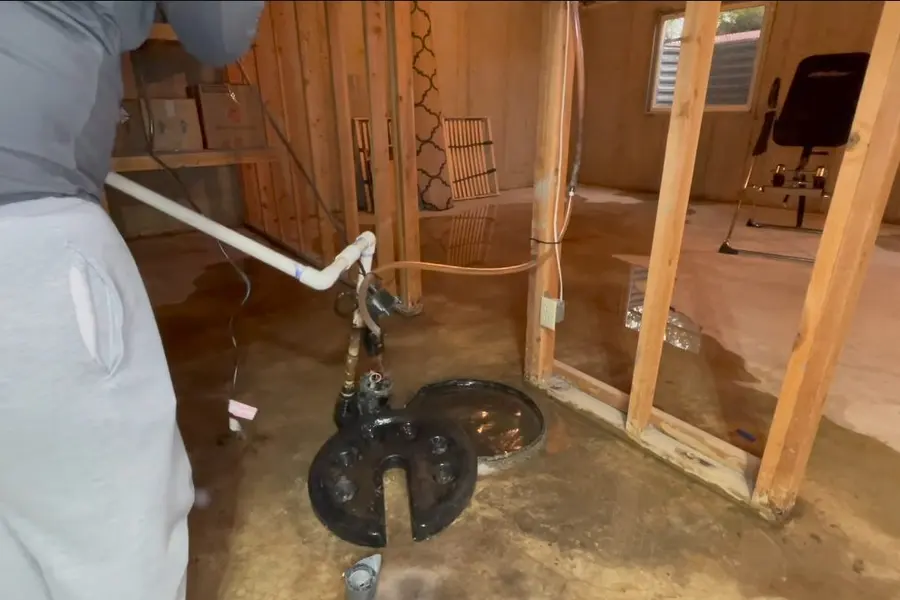
If your pump is old, undersized, struggling to keep up, or you do not have a backup, it is worth addressing before the next big storm rather than during it. We install, replace, and service sump pumps for the low-lying homes along the Quittapahilla and across Lebanon, size them to the water a basement actually takes on, fit battery backups for the outages that come with storms, and route the discharge so the water stays gone. When the creek comes up, a properly set up pump is what keeps your lowest level dry.
Get help with this
Talk to a Lebanon plumber
If this is something you are dealing with right now, call and a licensed local plumber will help. We work throughout Lebanon and Lebanon County, every day and after hours.
Related services
In your area
Serving Quittapahilla Creek Corridor and the rest of Lebanon County.
Quittapahilla Creek Corridor plumber →Call now
Upfront pricing. Call-only, with 24/7 emergency service across the county.
☎ Call (717) 897-7332Questions, answered
Frequently asked questions
Why does my basement flood near the Quittapahilla Creek?
It is geography more than anything. Homes on the low ground near the Quittapahilla sit close to the water table, so when heavy rain or spring melt raises the creek, the groundwater rises with it and presses into nearby foundations, coming up through cracks and floor drains. Higher homes a few streets away may never see it. A properly sized sump pump with a battery backup is the standard defense for homes in the creek's path.
Do I need a battery backup for my sump pump?
Near the Quittapahilla, yes. The worst flooding often comes during storms that also cut the power, exactly when a standard pump quits. A battery backup keeps the pump running through an outage, which can be the difference between a dry basement and a flooded one. For low-lying Lebanon homes where heavy water and power loss tend to arrive together, a backup is essential rather than an upgrade you can skip.
Submersible or pedestal sump pump, which is better?
For a flood-prone home near the creek, usually a submersible. It sits in the pit underwater, runs quietly, handles more water, and stays out of the way. A pedestal pump costs less and is easier to service but is louder and moves less water, which suits basements with only minor seepage. We match the pump type to how much water your basement actually deals with so it can keep up when it matters.
How often should I test my sump pump?
At least before each wet season, and ideally a couple of times a year. Pour a bucket of water into the pit and confirm the float rises, the pump turns on, clears the water, and shuts off. Keep the pit clear of debris, check that the discharge line is unobstructed and routed away from the house, and make sure any backup battery holds a charge. A pump that has sat idle can seize, so this quick test is cheap insurance against a flooded basement.
Call now
Have a plumbing problem in Lebanon?
Call and talk to a licensed local plumber, available 24/7 for emergencies.