Lebanon plumbing guide
Slow Drains: Snaking vs. Hydro Jetting
Two tools clear a clogged drain, and they are not interchangeable. Here is how to choose the right one for an older Lebanon home.
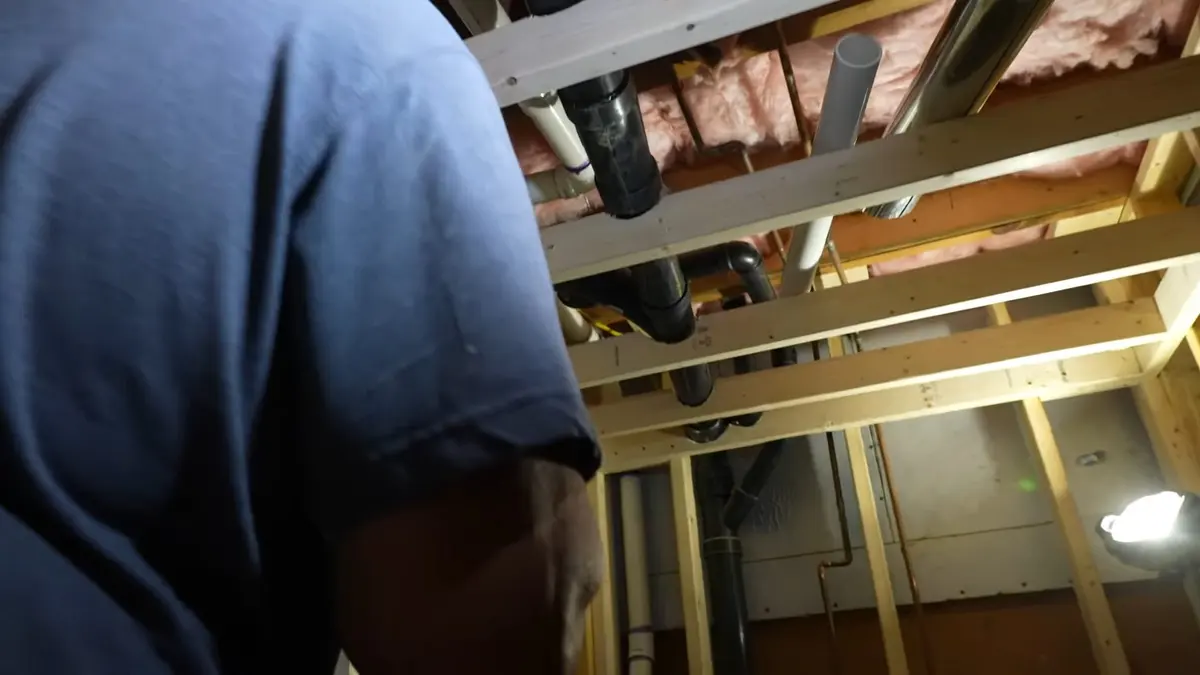
When a drain slows or clogs, a plumber has two main ways to clear it. Snaking, also called cabling or rodding, runs a flexible steel cable down the pipe to break through or pull out the blockage. Hydro jetting sends a high-pressure stream of water through a special nozzle to scour the inside of the pipe clean. Both clear drains, but they do different jobs and suit different situations, and in older Lebanon homes with aging cast iron pipe, choosing the right one matters. This guide explains how each works and when to use which, so you get a fix that lasts rather than one that clogs again next month.
The distinction matters more in Lebanon than in a newer town. Modern homes have smooth plastic drain pipe that resists buildup, so a quick snaking often handles whatever goes wrong. Older Lebanon homes drain through cast iron whose interior has roughened and scaled over the decades, and through clay or cast iron laterals that age and crack underground. That older pipe both clogs more easily and responds differently to each clearing method, which is why the choice of tool is a real decision here rather than an afterthought.
The basics
What causes slow drains in older Lebanon homes
Before choosing a tool, it helps to know what you are clearing. In Lebanon's older homes, slow drains usually come from a few familiar sources. Grease and soap build up inside kitchen and bathroom lines over the years. The rough, scaled interior of old cast iron pipe snags debris that would slide through smooth modern pipe. And out in the yard, tree roots work their way into aging sewer laterals and catch everything passing by.
The cause shapes the cure. A single sink clogged with hair near the trap is a different problem from a whole-house slowdown caused by grease coating a main line or roots choking the sewer lateral. One of the first things a good plumber does is figure out what and where the blockage is, often with a drain camera, before deciding how to clear it.
That diagnosis is also what saves you money in the end. Reaching for the wrong tool means either an incomplete fix that fails again soon, or unnecessary force on pipe that did not need it. A few minutes spent identifying the real cause points straight at the right method and spares you the cost of guessing wrong.
How they work
Snaking and jetting, side by side in practice
The two methods work very differently, and that difference is the whole point.
How snaking works
A drain snake is a long flexible cable fed down the pipe by hand or machine. At the blockage, a cutting or grabbing head breaks through the clog or hooks it so it can be pulled out. Snaking is quick, gentle on old pipe, and ideal for punching through a specific clog, like a hair mass in a bathroom line or a root ball in a lateral. Its limit is that it bores a hole through the blockage rather than cleaning the whole pipe, so grease and scale coating the walls largely stay put.
How hydro jetting works
Hydro jetting feeds a hose with a specialized nozzle down the pipe, then blasts water at high pressure in all directions. It does not just punch a hole; it scours the pipe walls clean, cutting through grease, flushing out debris, and clearing roots, leaving the line close to its original diameter. The tradeoff is power: jetting is more thorough but must be used carefully, since very old or already-damaged pipe may not tolerate the pressure.
Side by side
Snaking vs. hydro jetting compared
Here is how the two stack up on what matters for a Lebanon home.
| Factor | Snaking | Hydro jetting |
|---|---|---|
| What it does | Punches through or pulls out a specific clog | Scours the whole pipe wall clean |
| Best for | A single, located blockage | Grease buildup, scale, recurring clogs, roots |
| Thoroughness | Clears the blockage, leaves wall buildup | Restores close to full pipe diameter |
| How long it lasts | Shorter if buildup remains | Longer; the pipe is actually cleaned |
| Old or fragile pipe | Gentle, lower risk | Needs care; inspect first on very old pipe |
| Typical cost | Lower | Higher, but more complete |
The short version: snaking opens a clog quickly and gently; jetting cleans the whole pipe and lasts longer. For a one-off clog, snaking is often all you need. For grease, heavy scale, roots, or drains that keep clogging, jetting addresses the real cause, provided the pipe is sound enough to take it.
Your decision
Which is right for your situation
Choose snaking when you have a single, isolated clog, when the pipe is very old and fragile, or when you want a quick, lower-cost fix for a one-time problem. Choose hydro jetting when drains clog repeatedly, when grease or heavy scale is coating the lines, or when roots are in the sewer lateral and you want the pipe genuinely cleared rather than just bored through.
In older Lebanon homes there is one important caution: very old, scaled, or already-cracked cast iron may not be a good candidate for high-pressure jetting without a look first. That is why we inspect the line, often with a camera, before jetting old pipe, so we are not forcing pressure into a pipe that cannot take it. We use whichever method fits the actual problem and the condition of your pipe, and we will tell you honestly when a recurring clog is really a sign the pipe itself is failing and needs more than cleaning.
That last point is worth dwelling on. No amount of clearing fixes a pipe that has lost its shape or cracked through. If a camera shows the cast iron has channeled along the bottom, or the lateral is broken, then snaking and jetting are only buying time, and the honest answer is to repair or replace the section rather than keep clearing it. We would rather tell you that than sell you a cleaning that we know will not hold.
Get help with this
Talk to a Lebanon plumber
If this is something you are dealing with right now, call and a licensed local plumber will help. We work throughout Lebanon and Lebanon County, every day and after hours.
Related services
Call now
Upfront pricing. Call-only, with 24/7 emergency service across the county.
☎ Call (717) 897-7332Questions, answered
Frequently asked questions
Is hydro jetting safe for old cast iron pipes?
It can be, but not without checking first. Hydro jetting uses high pressure, and very old, heavily scaled, or already-cracked cast iron may not tolerate it. That is why we inspect the line with a camera before jetting older pipe, to confirm it is sound enough. On pipe in reasonable condition, jetting cleans effectively; on pipe that is failing, we would recommend gentler snaking or address the pipe itself instead.
Why does my drain keep clogging after snaking?
Because snaking punches a hole through the blockage but leaves the buildup coating the pipe walls. If grease, soap, or scale is the real problem, the opening closes again as debris catches on what remains. Hydro jetting clears the whole pipe wall, so it lasts longer for recurring clogs. Repeated clogging can also signal roots in the lateral or a failing pipe, which a camera inspection will reveal.
Which is cheaper, snaking or jetting?
Snaking is generally less expensive per visit, since it is quick and targets a single clog. Hydro jetting costs more but cleans the entire pipe, so for recurring problems it can be the better value by preventing repeat visits. The right choice is less about price alone and more about the cause: a one-off clog suits snaking, while grease, scale, or roots usually call for jetting to fix the actual problem.
How do I know if roots are in my sewer line?
Common signs are several drains slowing at once, gurgling toilets, sewage odor, and backups that keep returning after clearing. Roots enter aging laterals through joints and cracks and catch passing debris. The certain way to know is a camera inspection, which shows the roots directly and the condition of the pipe. From there, jetting or cutting clears them, though a lasting fix often means repairing or replacing the affected section of lateral.
Call now
Have a plumbing problem in Lebanon?
Call and talk to a licensed local plumber, available 24/7 for emergencies.