
Lebanon plumbing guide
Protecting Your Pipes Through a Lebanon Valley Winter
Lebanon Valley winters get cold enough to freeze and split pipe. Here is where the risk hides in an older home, and how to head it off.
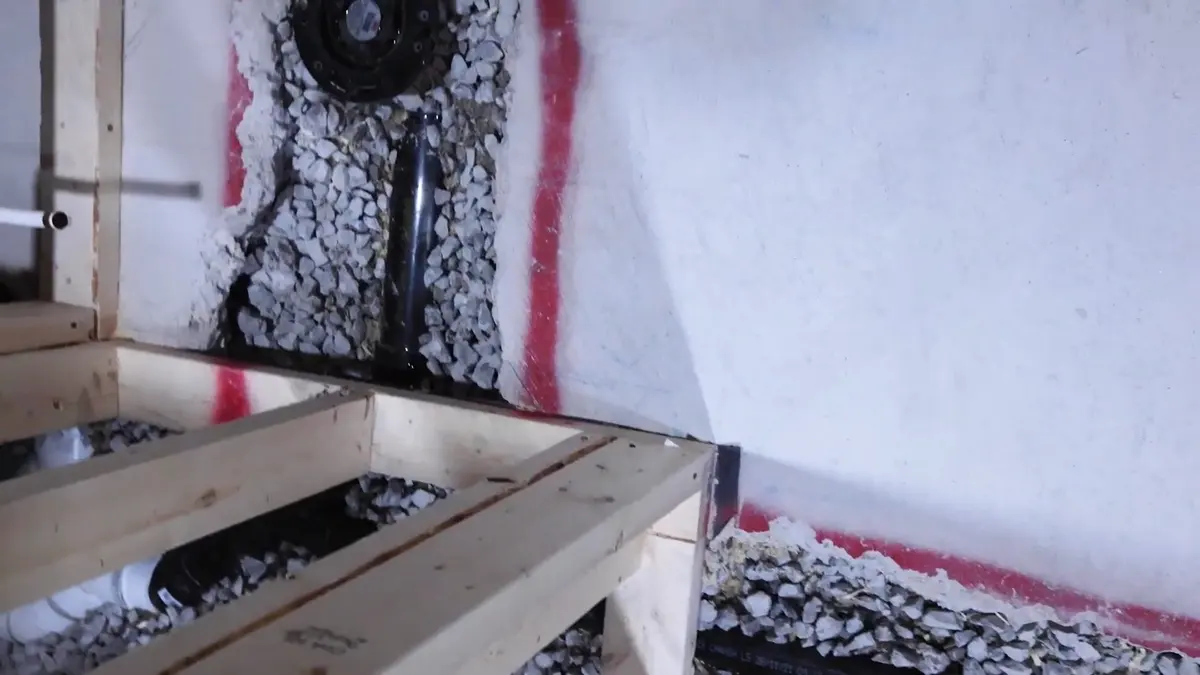
A frozen pipe is exactly what it sounds like: water inside a pipe turns to ice, and because ice takes up more room than water, the pressure can split the pipe open. The damage often shows up not while it is frozen, but when it thaws and water pours from the crack. Lebanon Valley winters get plenty cold enough for this to happen, and the area's older homes, with their exposed basement runs and uninsulated walls, give the cold places to reach the pipes. The good news is that frozen pipes are one of the most preventable plumbing emergencies, and a little attention before the deep cold goes a long way.
Frozen pipes are also one of the most expensive emergencies to ignore, because a single burst supply line can release dozens of gallons an hour into a finished basement or down through ceilings. The cost of prevention is a few dollars of foam insulation and a careful walk through the house. The cost of cleanup after a burst can run into the thousands. That math is why this is worth an afternoon before winter sets in.
The local risk
Why Lebanon homes are vulnerable
Lebanon sits in a valley that sees real winter, with stretches of nights well below freezing. Cold alone does not burst a pipe, but cold reaching a water-filled pipe does, and older homes give it plenty of openings. Much of Lebanon's housing was built in the first half of the last century, before modern insulation was standard, so exterior walls, rim joists, and basement spaces often let cold air sit right against supply lines.
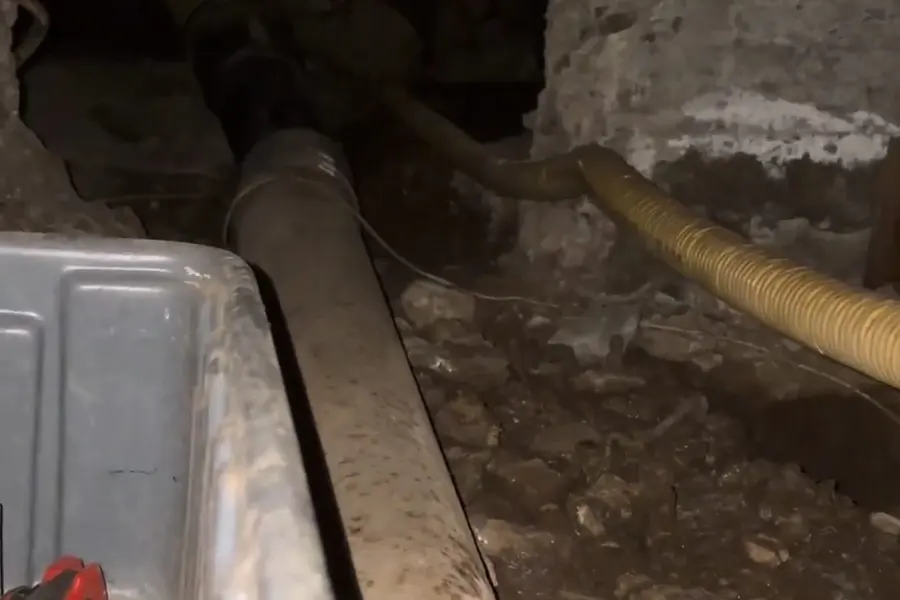
The row homes and older neighborhoods that define the city are especially exposed in a few predictable spots. A pipe running along an outside wall, a basement that stays unheated, a crawl space, or a line feeding an outdoor spigot all sit closer to the cold than the rest of the plumbing. Knowing those weak points is the first step, because a pipe that never gets cold never freezes.
Know your weak spots
Which pipes freeze first
Freezing is not random. It hits the same vulnerable places first, year after year. Walk your home with these in mind, because the ones that apply to you are where prevention pays off most.
Pipes on exterior walls
Any supply line running through or along an outside wall is exposed to whatever the temperature is outside, minus whatever little insulation sits between. Kitchen and bathroom lines on exterior walls are common offenders in older homes, where the wall cavity may have little or no insulation.
Unheated basements and crawl spaces
A basement that you do not heat, or a crawl space under part of the house, can drop near outdoor temperatures during a cold snap. The main supply runs and branch lines crossing those spaces are prime freeze candidates, especially near foundation vents or gaps where cold air pours in.
Outdoor spigots and their feeds
The hose bib outside and the pipe feeding it are the most exposed plumbing on the house. A hose left connected over winter traps water at the spigot, which freezes and can split the pipe back inside the wall. Disconnecting hoses and shutting off and draining outdoor lines before winter is one of the highest-value steps you can take.
Head it off
How to prevent frozen pipes
Prevention is mostly cheap and simple. Run through this list before the first hard freeze and again as a check during a cold snap.
Before winter
Disconnect and drain garden hoses, and shut off and drain outdoor spigot lines if you have interior shutoffs for them. Add foam pipe insulation to exposed supply lines in the basement, crawl space, and along exterior walls. Seal gaps and cracks near the foundation and around where pipes pass through walls, so cold air cannot pour in onto the pipe.
During a cold snap
On the coldest nights, let a faucet fed by a vulnerable pipe drip slightly, since moving water resists freezing and a trickle relieves pressure. Open cabinet doors under sinks on exterior walls to let household heat reach the pipes. Keep the house heated even when away, and never let it drop too low to save a little on heat, since a burst pipe costs far more than the savings.
If you travel in winter
Leaving for a stretch in the cold is when frozen-pipe disasters often happen, because no one is there to catch it. Keep the heat on at a safe level, have someone check the house, or shut off the main water supply and drain the system if the home will be empty for a long stretch. An unheated, unwatched home in January is the classic setup for a flood.
If it happens
What to do if a pipe freezes or bursts
If you turn on a tap in winter and only a trickle comes out, you may have a frozen pipe that has not yet burst. Act before it thaws on its own. Open the affected faucet so water can escape as the ice melts, then warm the frozen section gently with a hair dryer or a space heater kept at a safe distance, working from the faucet end back toward the cold spot. Never use an open flame. If you cannot find or reach the frozen section, or you suspect the pipe has already split, it is time to call a plumber.
If a pipe has burst and water is flowing, shut off your main water valve immediately, then open faucets to drain the remaining water and reduce pressure. Knowing where your main shutoff is before an emergency saves precious minutes, so locate it now if you are not sure. Then call for help. We handle frozen and burst pipe emergencies around the clock through Lebanon's winters, and we will talk you through stopping the water while a plumber heads your way. Acting fast on a burst pipe is the difference between a repair and a renovation.
Get help with this
Talk to a Lebanon plumber
If this is something you are dealing with right now, call and a licensed local plumber will help. We work throughout Lebanon and Lebanon County, every day and after hours.
Related services
Call now
Upfront pricing. Call-only, with 24/7 emergency service across the county.
☎ Call (717) 897-7332Questions, answered
Frequently asked questions
At what temperature do pipes freeze?
Pipes are generally at risk once the air around them drops to about 20 degrees Fahrenheit or below, especially if that cold holds for several hours overnight. Exposed pipes on exterior walls, in unheated basements, or feeding outdoor spigots reach that threshold first. During a Lebanon cold snap, letting a vulnerable faucet drip and keeping the house heated are the simplest ways to keep water moving and pipes above the danger point.
Should I let my faucet drip in cold weather?
On the coldest nights, yes, for faucets fed by vulnerable pipes. A slight drip keeps water moving, which resists freezing, and relieves the pressure that actually splits a pipe if ice does form. It does use a little water, but far less than the cost of a burst pipe. Focus on taps served by lines along exterior walls or through unheated spaces, where the freeze risk is highest.
My pipe is frozen but has not burst. What should I do?
Open the affected faucet so water can flow as the ice melts, then gently warm the frozen section with a hair dryer or a safely placed space heater, working from the faucet end toward the cold spot. Never use an open flame. If you cannot reach or find the frozen section, or you suspect it has already cracked, stop and call a plumber before it thaws and floods. We handle these around the clock in winter.
How do I shut off my water if a pipe bursts?
Find your main water shutoff valve, usually in the basement where the service line enters from the street, near the meter, and turn it fully closed. Then open faucets to drain the remaining water and relieve pressure. Knowing where this valve is before an emergency saves critical minutes, so locate it today if you are unsure. After the water is off, call a plumber to repair the burst and assess any damage.
Call now
Have a plumbing problem in Lebanon?
Call and talk to a licensed local plumber, available 24/7 for emergencies.