Lebanon plumbing guide
How to Tell If Your Lebanon Home Has a Lead Service Line
Older Lebanon homes sometimes still draw water through a lead pipe from the street. Here is how to check yours, and what to do if it is lead.
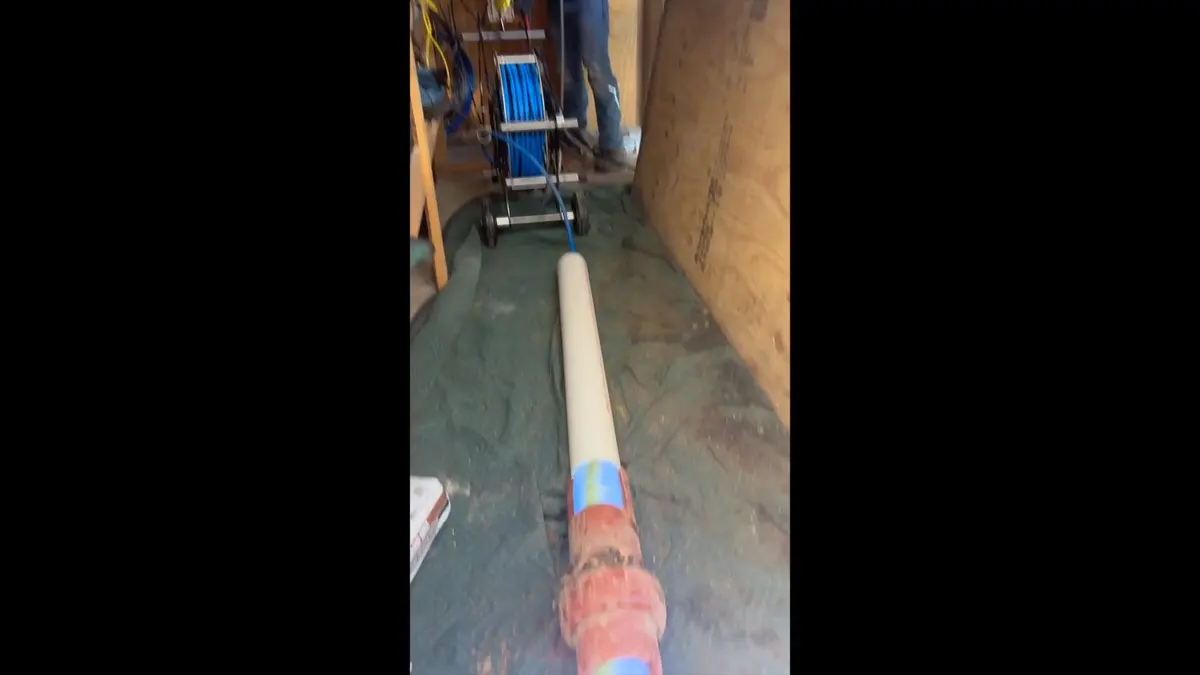
A water service line is the underground pipe that carries drinking water from the City of Lebanon Authority main in the street into your home. In many older Lebanon properties, that line is made of lead, a soft gray metal used widely before its health risks were understood. Lead can leach into tap water, especially when water sits still in the pipe overnight, and there is no safe level of lead for children. If your home is older, it is worth knowing what your service line is made of. This guide shows you how to check, and what to do next.
The basics
What a service line is, and why lead matters
Every home on city water has a service line: the private pipe running from the water main under the street, across your yard, and through your foundation to your meter and main shutoff. The City of Lebanon Authority owns and maintains the main in the street, but the service line itself is generally the homeowner's responsibility from the property line in.
For most of the twentieth century, lead was a common material for these lines because it was durable and easy to bend around obstacles. The problem is that lead does not stay put. Over time, and especially when water sits motionless in the pipe for hours, small amounts dissolve into the water you drink. Lebanon's water leaves the treatment plant clean and is treated to limit corrosion, but a lead line between the main and your tap can still add lead to the water after it has left the Authority's control.
This is why identifying a lead line matters even in a city with good water. The pipe is the last stretch before your faucet, and if it is lead, it is the part most likely to affect what your family actually drinks.
Local risk
Which Lebanon homes are most likely to have lead
Age is the biggest clue. Lebanon's housing skews old, with a large share of homes in the city built before 1940 and a median build year in the late 1940s. The dense row homes of the downtown core, the older wards, and the long-settled neighborhoods around the city are exactly the housing where lead service lines were once standard. A home built in the 1920s or 1930s is far more likely to have one than a home built in the 1980s.
The City of Lebanon Authority has been working to map this. The Authority maintains an inventory of service line materials and has identified a number of known lead lines along with a much larger group of older lines whose material has never been confirmed. Many homeowners have received letters asking them to help identify what their line is made of, because the records from a century ago are incomplete. If you got one of those letters and set it aside, it is worth revisiting.
Check it yourself
How to check your own service line in four steps
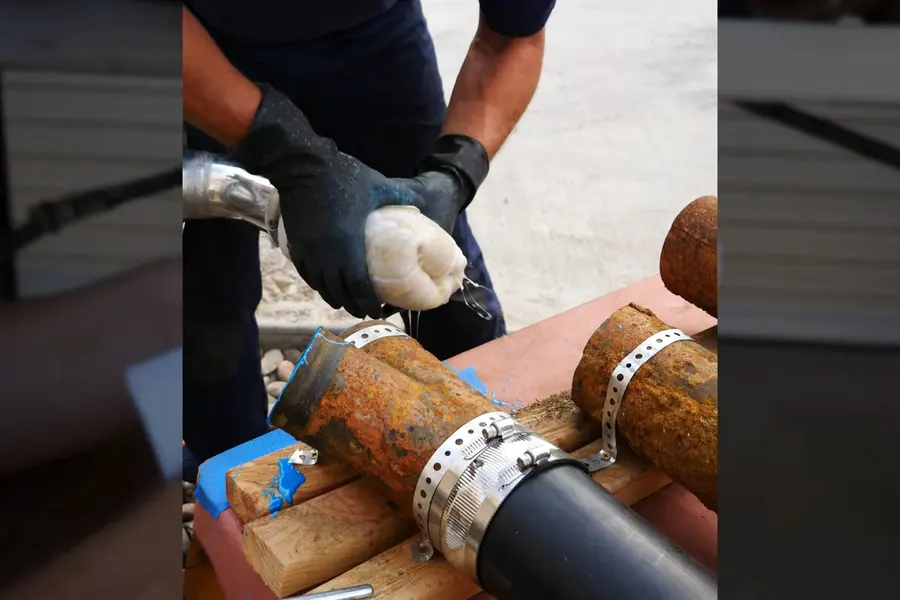
You can get a strong indication of your service line material yourself in a few minutes, without any special tools. The line is easiest to inspect where it enters your basement, usually on the wall facing the street, just before your main shutoff valve and water meter. Find that pipe, clean off a small patch of it, and run through these checks.
Step 1: Look at the color
Lead pipe is a dull gray, often the color of an old nickel, and tends to have a slightly rounded, hand-bent look rather than sharp factory edges. Copper looks like a penny, reddish-brown. Galvanized steel looks silvery-gray and threaded at the joints. Plastic is obvious. Color alone is a good first hint, but do the next checks to confirm.
Step 2: Scratch it
Gently scratch the cleaned spot with a coin or a flat-head screwdriver. If the metal underneath is shiny and silver, soft, and easy to scratch, that points strongly to lead. If the scratched area is copper-colored, it is copper. If it stays dull and hard and resists scratching, it is more likely galvanized steel.
Step 3: Try a magnet
Hold a household magnet to the pipe. A magnet will stick firmly to galvanized steel. It will not stick to lead or copper. Combined with the scratch test, this quickly separates the three common metals: magnetic means galvanized, non-magnetic plus soft and shiny means lead, non-magnetic plus copper-colored means copper.
Step 4: Note the sound and shape
Lead lines are often joined with a distinctive bulb-shaped connection called a wiped joint, and the pipe taps with a dull, soft sound rather than a metallic ring. None of these tests is laboratory-certain, but together they give you a confident read. If your checks point to lead, treat it as lead until a professional confirms it.
Next steps
What to do if you find lead
If your service line looks like lead, the lasting solution is replacement, swapping the lead pipe for modern copper or approved plastic. In the meantime, a few habits reduce exposure: run your cold tap for a couple of minutes before drinking or cooking if the water has been sitting, use only cold water for drinking and cooking since hot water dissolves more lead, and consider a filter certified for lead removal.
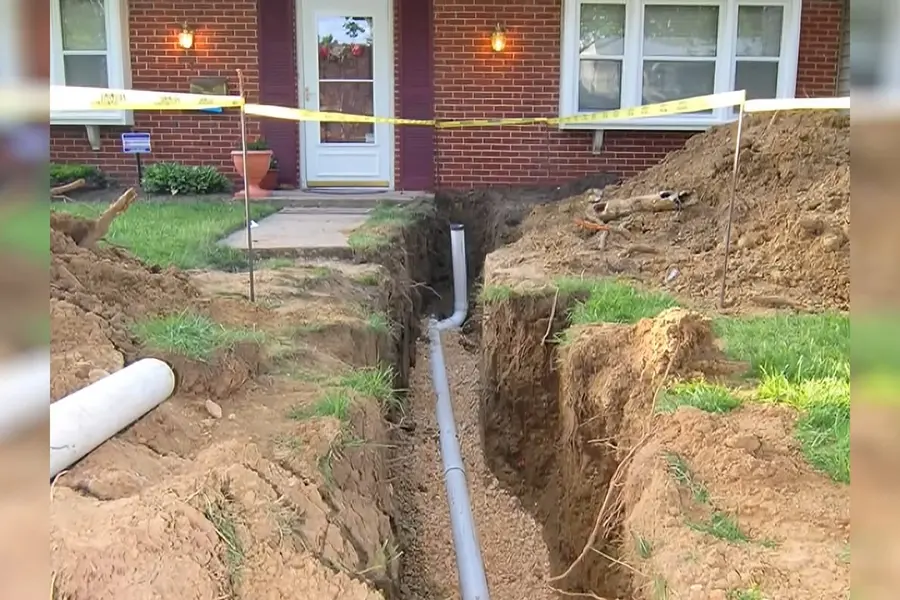
Because the City of Lebanon Authority owns the main and requires permits for work that connects to it, lead line replacement in the city is a coordinated job, not a weekend project. The Authority's lead service line program is the place to start for the public-side details and any assistance that may be available, and a licensed plumber handles the private-side replacement from the property line to your home. We replace lead service lines as a specialized job, working with the Authority's permit process so the swap is done correctly and to code.
The short version: find your line, check it with the steps above, and if it looks like lead, call us. We will confirm the material, explain your options plainly, and give you an honest estimate for replacing it.
Get help with this
Talk to a Lebanon plumber
If this is something you are dealing with right now, call and a licensed local plumber will help. We work throughout Lebanon and Lebanon County, every day and after hours.
Related services
Call now
Upfront pricing. Call-only, with 24/7 emergency service across the county.
☎ Call (717) 897-7332Questions, answered
Frequently asked questions
Is my water service line the city's responsibility or mine?
The City of Lebanon Authority owns and maintains the water main in the street and requires permits for any work connecting to it. The service line running from the property line into your home is generally the homeowner's responsibility. That is the portion a licensed plumber replaces if it is lead, coordinated with the Authority's permit process. The Authority's lead program can explain the public-side details for your address.
Does Lebanon's water have lead in it?
The water leaving the City of Lebanon Authority treatment process is clean and is treated to limit pipe corrosion. The concern is not the source water but the service line at individual older homes. If your home's line is lead, it can add lead to the water after it leaves the main, especially when water sits in the pipe overnight. That is why checking your own line matters even though the city water itself is good.
How can I tell lead from galvanized steel?
Two quick tests separate them. First, scratch the cleaned pipe: lead is soft and turns shiny silver, while galvanized stays dull and hard. Second, hold a magnet to it: a magnet sticks firmly to galvanized steel but not to lead. So soft, shiny, and non-magnetic points to lead, while hard, dull, and magnetic points to galvanized. If you are unsure, we can confirm it on site.
Should I replace a lead service line even if my water tests fine?
Many homeowners choose to. Lead levels in tap water can vary from day to day depending on how long water has been sitting and other conditions, so a single good test does not guarantee future results. Replacing the line removes the source of risk for good rather than managing it. We are happy to look at your line, confirm the material, and give you an honest estimate so you can decide.
Call now
Have a plumbing problem in Lebanon?
Call and talk to a licensed local plumber, available 24/7 for emergencies.