
Lebanon plumbing guide
Cast Iron vs. PVC Drain Pipe: What Lebanon Row-Home Owners Should Know
Most older Lebanon homes drain through cast iron. Here is how it compares to modern PVC, and how to know when yours is ready to replace.
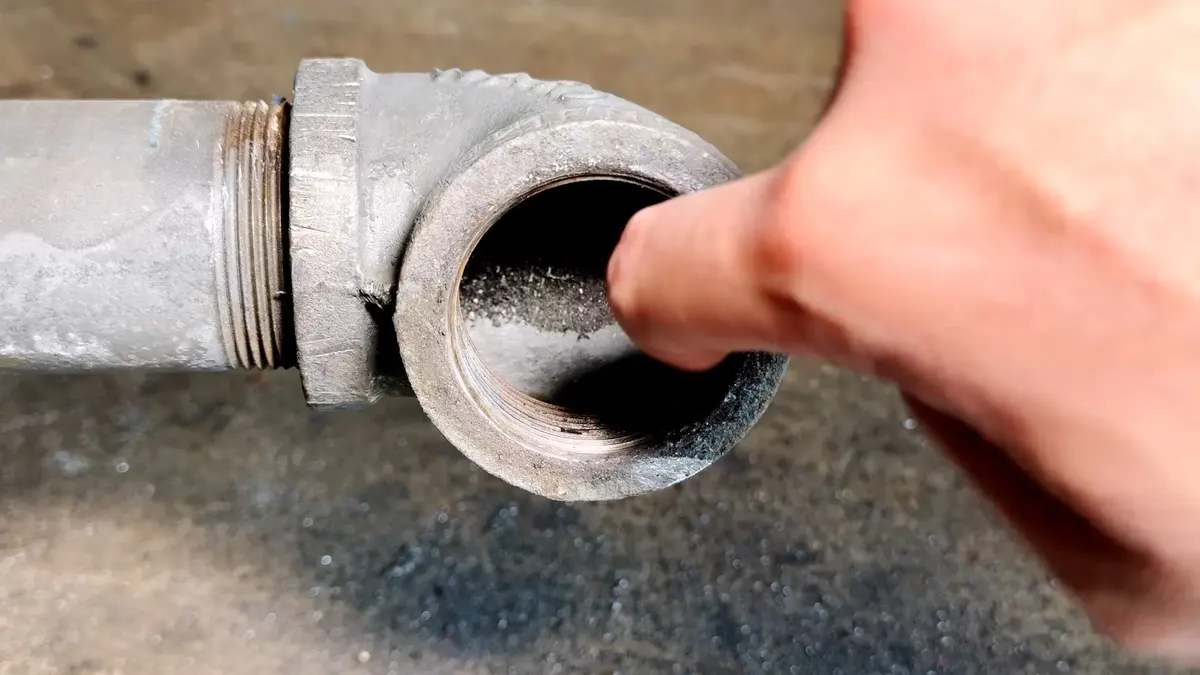
Drain pipe is the plumbing that carries waste water and sewage out of your home and toward the sewer. In older Lebanon homes, that pipe is almost always cast iron: heavy, dark, hub-and-spigot iron pipe that has been standard since long before the row homes downtown were built. Modern homes use PVC, the white plastic drain pipe you see in any hardware store. The two materials behave very differently as they age, and if you own an older Lebanon home, understanding the difference helps you plan for the day your cast iron gives out, which it eventually will.
What you have
What is in the walls of an older Lebanon home
If your home was built in the first half of the last century, your drain system is cast iron. The vertical pipe that runs floor to floor carrying waste from your bathrooms and kitchen is called the stack, and in Lebanon's row homes it is usually reachable in the basement, where it disappears into the floor on its way to the sewer lateral. Branch lines of cast iron, and sometimes galvanized steel, run off the stack to each fixture.
Cast iron earned its long run for good reasons. It is strong, it handles heat, and it is remarkably quiet, muffling the sound of water rushing through it in a way plastic does not. A cast iron system installed in 1935 may still be doing its job today. But iron and waste water are a slow-motion chemistry experiment, and after enough decades the pipe loses that argument.
What this means for you as an owner is that cast iron is not a material to panic over, but it is one to keep an eye on. The pipe gave decades of quiet service, and the question is simply how much service is left. The rest of this guide is about reading that, so you can plan the replacement on your own schedule rather than discovering the answer when a stack cracks open on a holiday weekend.
How it ends
How cast iron fails
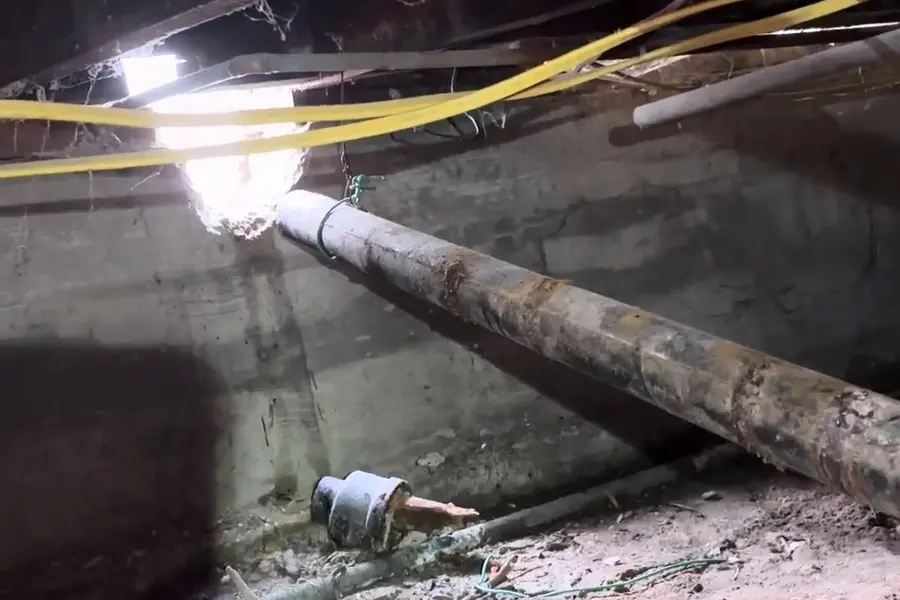
Cast iron does not usually fail all at once. It corrodes from the inside out, and the trouble builds gradually until it becomes hard to ignore.
Scaling and channeling
The inside of an old cast iron pipe builds up a rough crust of rust and mineral scale that narrows the channel and snags debris. Eventually the bottom of a horizontal run can rot away while the top still looks intact, a condition called channeling. Drains across the whole house slow down, back up more often, and no amount of snaking keeps them clear for long because the pipe itself is the problem.
Cracks and leaks
As the iron thins, it cracks. A hairline crack in a basement stack may weep slowly, staining the pipe and the floor beneath it and feeding a musty smell. A larger failure can leak sewage into the basement. Because the stack runs through walls and floors, a leak higher up can damage finishes long before anyone sees the source.
The telltale signs
Recurring slow drains throughout the house, gurgling, sewer odor in the basement, rusty water staining around the stack, and patches of damp on basement walls near the pipe all point to cast iron near the end of its life. One slow sink is a clog. The whole house draining poorly is usually the pipe.
Side by side
Cast iron vs. PVC: how they compare
When cast iron is replaced today, it is almost always with PVC. Here is how the two materials stack up on the things that matter to a homeowner.
| Factor | Cast iron | PVC |
|---|---|---|
| Typical lifespan | Often 75-100 years, but Lebanon's oldest is past that | Generally 50-plus years, and not yet corroded by waste |
| Corrosion | Rusts and scales from the inside out | Does not corrode or scale |
| Noise | Very quiet; muffles rushing water | Louder; water is audible (can be insulated) |
| Weight and handling | Heavy; harder to work with | Light; easier and faster to install |
| Repairs | Section repairs possible but the rest is often aging too | Easy to cut, extend, and repair |
| Material cost | Higher | Lower |
| Best use | What you already have; worth keeping if sound | The standard for replacement and new work |
The short version: cast iron is not bad pipe, it is just old pipe. When yours is genuinely worn out, PVC is the practical, durable, and more affordable replacement. The goal is not to rip out sound iron, but to replace it once it has reached the end of its service.
Your decision
Should you replace it now or wait?
You do not need to replace cast iron just because it is old. Plenty of Lebanon homes have iron stacks that are scaled but still sound and have years left. The question is whether yours has crossed from aging into failing.
Lean toward replacing if you have recurring whole-house slow drains that snaking no longer fixes, visible cracks or weeping on the stack, sewer odor in the basement, or a camera inspection showing channeling. Lean toward waiting and monitoring if drains still run well, the pipe looks solid, and you are not chasing repeat backups. A drain camera takes the guesswork out: it shows the actual condition inside the pipe so you are deciding on evidence, not age.
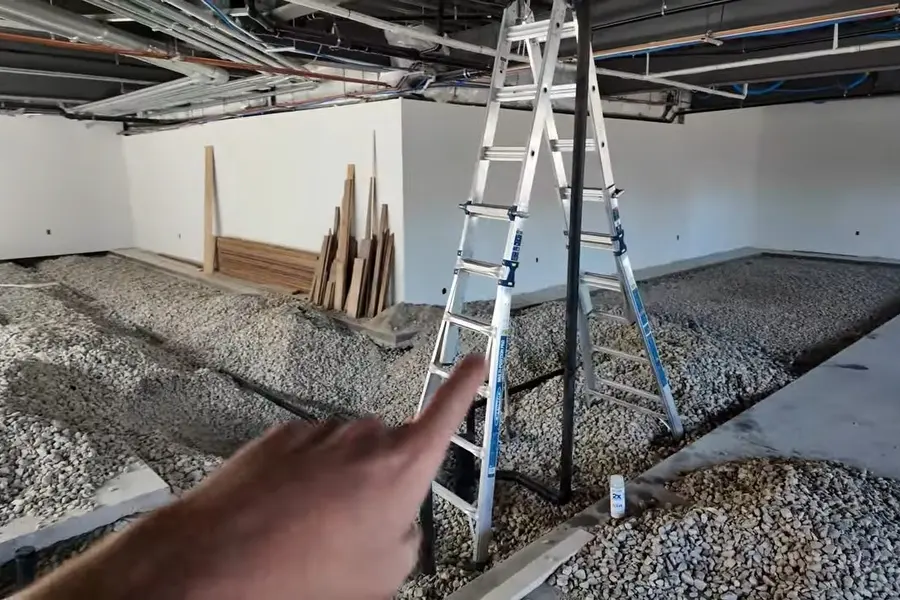
One thing works strongly in your favor in Lebanon: the basement. Because nearly every older home here has a full basement, the stack and main branches are usually reachable from below rather than buried under a concrete slab. That access makes cast iron replacement far less invasive and less expensive than the same job in a slab-built home, so when the time does come, you are starting from an advantage. A plumber can reach the stack and the main branch lines from the basement, replace the worn iron with new PVC, and tie back into the sewer lateral without tearing up finished floors or jackhammering concrete. The work that would be a major excavation in a newer suburban home is, in a Lebanon row home, a contained basement job.
Get help with this
Talk to a Lebanon plumber
If this is something you are dealing with right now, call and a licensed local plumber will help. We work throughout Lebanon and Lebanon County, every day and after hours.
Related services
Call now
Upfront pricing. Call-only, with 24/7 emergency service across the county.
☎ Call (717) 897-7332Questions, answered
Frequently asked questions
How long does cast iron drain pipe last?
Cast iron often lasts 75 to 100 years, but much of Lebanon's older housing is now at or past that range. Lifespan depends on water chemistry, what has gone down the drains, and how the pipe was installed. Rather than going by age alone, a drain camera inspection shows the real condition inside, which is the most reliable way to know whether yours is sound or failing.
Is PVC drain pipe as good as cast iron?
For modern use, yes, and in some ways better. PVC does not corrode or scale the way iron does, it is easy to repair and extend, and it costs less. Its one drawback is noise, since plastic does not muffle rushing water like heavy iron, but that can be managed with insulation. For replacing worn cast iron, PVC is the standard choice for good reason.
Can you replace just part of my cast iron drain?
Sometimes. If a single section has failed and the rest of the system is genuinely sound, a partial replacement makes sense. But in very old homes the whole stack is often aging together, so patching one spot can mean returning for the next failure soon after. We inspect the full run, usually with a camera, and give you an honest call on whether a section repair or a larger replacement is the better value.
Does my basement make cast iron replacement cheaper?
It usually does. Most older Lebanon homes have full basements, so the drain stack and main branches are reachable from below rather than buried under a slab. That access means less demolition and less labor than the same job in a slab home, which keeps the cost down. It is one of the real advantages of Lebanon's older housing stock for drain work of any kind.
Call now
Have a plumbing problem in Lebanon?
Call and talk to a licensed local plumber, available 24/7 for emergencies.